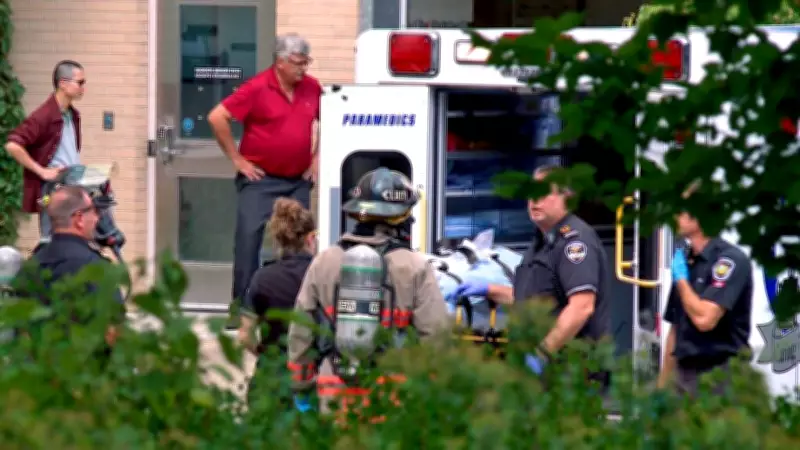
Paramedic Crisis Deepens in Saskatchewan as Burnout and Staffing Shortages Escalate
In a troubling development for emergency medical services, paramedics in Saskatoon are increasingly exiting the profession, driven by a combination of intense burnout, severe staffing shortages, and protracted contract talks that have reached an impasse. This exodus poses a significant threat to the reliability and effectiveness of emergency response systems across the region.
Mounting Pressures on Frontline Responders
Paramedics, who serve as the first line of defense in medical emergencies, are facing unprecedented levels of stress and exhaustion. Reports indicate that many are working extended shifts with minimal breaks, leading to physical and mental fatigue that compromises their well-being and job performance. The relentless demands of the role, coupled with inadequate support systems, have created a perfect storm for burnout.
Critical Staffing Gaps Worsen Service Delivery
The shortage of paramedics has reached a critical point, with many positions remaining unfilled for months. This deficit forces remaining staff to shoulder heavier workloads, exacerbating the burnout cycle and reducing the capacity to respond promptly to emergencies. Communities are increasingly vulnerable as response times lengthen and coverage becomes sporadic.

Stalled Contract Negotiations Fuel Frustration
Contract discussions between paramedic unions and employers have stalled, leaving key issues such as wages, benefits, and working conditions unresolved. The lack of progress has fueled frustration among paramedics, who feel undervalued and overlooked. This contractual deadlock is a major factor in the decision of many to seek employment elsewhere or leave the field entirely.
Implications for Public Safety and Healthcare
The departure of experienced paramedics not only strains the remaining workforce but also jeopardizes public safety. Emergency medical services are essential for timely interventions in life-threatening situations, and any degradation in their quality can have dire consequences. Healthcare systems, already under pressure, may face increased burdens if ambulance services are compromised.
Calls for Immediate Action and Support
Advocates and union representatives are urging swift action to address these challenges. Proposed measures include:
- Implementing mental health support programs tailored for paramedics.
- Accelerating recruitment and training initiatives to fill staffing gaps.
- Resuming and prioritizing contract negotiations with a focus on fair compensation and improved working conditions.
- Enhancing public awareness of the critical role paramedics play in community health.
Without intervention, the paramedic crisis in Saskatchewan could escalate, leading to long-term damage to emergency services and public trust.