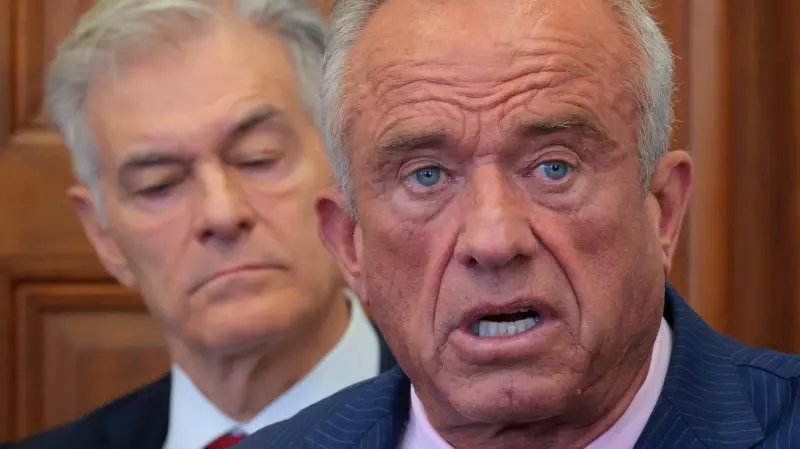
The editorial board of The New York Post has issued a fierce condemnation of U.S. Health and Human Services Secretary Robert F. Kennedy Jr., targeting his persistent skepticism towards vaccines. The newspaper, typically a supporter of former President Donald Trump, described Kennedy's campaign as a dangerous assault on one of modern medicine's greatest achievements.
A Scathing Rebuke from a Pro-Trump Paper
In a sharply worded editorial, the Rupert Murdoch-owned tabloid did not hold back. It labeled Kennedy a "paranoid kook" and accused him of waging a "dangerous and plain dumb war on vaccines." The piece, titled "RFK Jr.'s lunatic war on vaccines puts kids at risk," argues that his actions undermine what it calls "one of the biggest public health wins of the last century."
The editorial board expressed particular outrage at what it sees as Kennedy's tactics of frightening parents. It accused him of "terrifying young parents" by promoting debunked claims that childhood vaccinations could cause permanent harm. The Post characterized this not just as irresponsible, but as "downright cruel." The board concluded with a grim warning: "The only end result will be more sick and dead kids."

Broader Media Criticism and Ideological Crusade
This is not the first time a Murdoch-owned publication has taken aim at Kennedy's vaccine stance. Last month, The Wall Street Journal's conservative editorial board also criticized the Health Secretary. It questioned who was supervising him at the Department of Health and Human Services, framing his actions as an "ideological crusade."
The Journal warned that Kennedy is damaging public trust in immunizations and has even conscripted the Centers for Disease Control and Prevention (CDC) into his campaign. This dual criticism from two major conservative-leaning outlets highlights significant concern within media circles traditionally aligned with the political right.
Context and Personal Allegations
The Post's editorial also referenced recent personal controversies surrounding Kennedy, including salacious allegations from a former digital lover, Olivia Nuzzi. While not the focus of the critique, this mention adds to the portrait of a controversial figure whose personal and professional conduct is under intense scrutiny.
The core of the criticism remains firmly on public health policy. Both editorials frame Kennedy's vaccine skepticism as a direct threat to national well-being, moving beyond political disagreement to a charge of profound irresponsibility in a key government role.