U.S. Intelligence Assessment Warns of Iranian Retaliation After Khamenei's Death
A newly released U.S. intelligence assessment has raised alarms about the potential for Iranian attacks on American targets in the wake of Supreme Leader Ayatollah Ali Khamenei's death. The assessment, which comes amid escalating tensions in the Middle East, indicates that Iran may be planning retaliatory strikes following the airstrike that killed Khamenei in Tehran.
Escalating Tensions Following the Airstrike
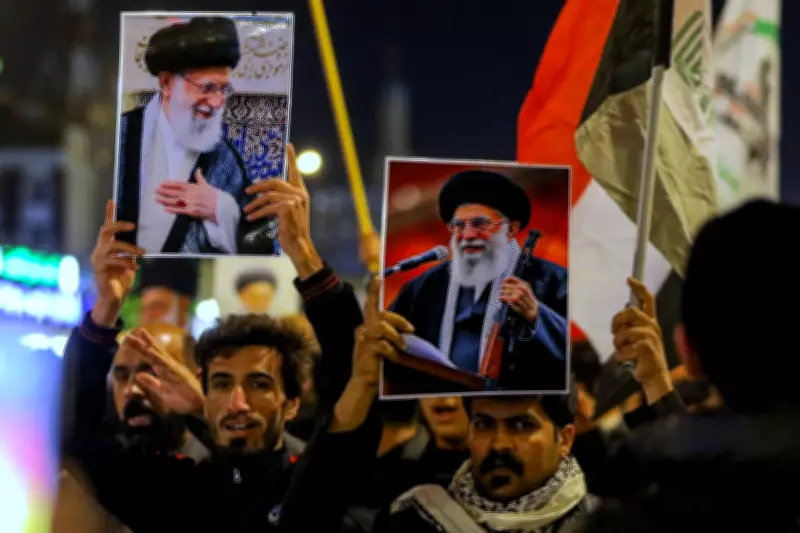
The intelligence report highlights a significant increase in hostile rhetoric and military posturing from Iranian officials and allied groups. This development follows the symbolic funeral held in Najaf, Iraq, where Iraqi Shiites displayed pictures of Khamenei, underscoring the regional impact of his death. The assessment suggests that Iran views the U.S. airstrike as a direct provocation requiring a forceful response.
Security analysts note that the situation represents one of the most volatile moments in U.S.-Iran relations in recent years. The intelligence community has been monitoring communications and movements that point to potential attacks on American diplomatic facilities, military assets, or commercial interests in the region.

Regional and Global Implications
The warning comes as conflicts in the Middle East continue to affect global stability. The assessment specifically mentions concerns about attacks on U.S. embassies and military bases, with particular attention to areas where Iranian proxy forces operate. This development has prompted increased security measures at American installations throughout the region.
The intelligence assessment represents a sobering evaluation of the immediate threats facing U.S. interests following Khamenei's death. Military commanders and diplomatic officials are reportedly coordinating defensive measures while attempting to de-escalate tensions through backchannel communications.
Broader Context of Middle East Conflict
This intelligence warning emerges against a backdrop of ongoing regional conflicts that have drawn in multiple international actors. The death of Iran's supreme leader has created a power vacuum that various factions within Iran's political and military establishment are seeking to fill, potentially increasing the risk of external actions to demonstrate strength and unity.
The assessment concludes that while the exact timing and nature of potential attacks remain uncertain, the threat level has increased substantially since Khamenei's death. U.S. intelligence agencies continue to monitor the situation closely, sharing information with allied nations to coordinate defensive responses.