Nova Scotia Opens Spring COVID-19 Vaccine Appointments for Public Booking
Health officials in Nova Scotia have officially launched the booking system for spring COVID-19 vaccine appointments, making doses available to residents across the province. The announcement was made on March 24, 2026, with appointments accessible starting at 10:08 AM EDT. This initiative aims to bolster community immunity as seasonal respiratory illnesses typically see an uptick during the spring months.
Expanded Access and Public Health Strategy
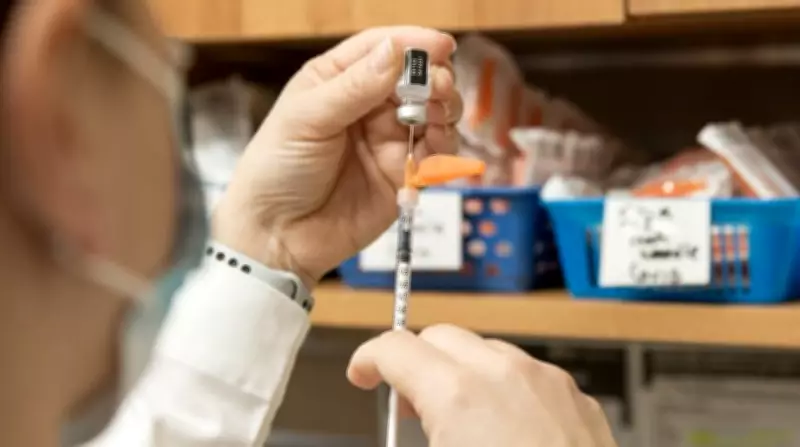
The rollout includes appointments at various locations, such as pharmacies, clinics, and healthcare centers, ensuring widespread accessibility. A pharmacist in Halifax was photographed preparing a dose, highlighting the readiness of medical professionals to administer vaccines. This effort is part of a broader public health strategy to mitigate the spread of COVID-19 and protect vulnerable populations, including seniors and individuals with underlying health conditions.
Authorities emphasize that booking is streamlined through online portals and phone lines, with no cost to residents. They recommend that individuals consult with healthcare providers to determine the best timing for their vaccination, especially if they have recently recovered from COVID-19 or received other vaccines.

Context and Broader Implications
This announcement comes amid ongoing discussions about vaccine efficacy and public health policies in Canada. While Nova Scotia focuses on proactive measures, other provinces are grappling with similar challenges, such as healthcare access and preventive care. The move aligns with national guidelines that advocate for regular booster shots to maintain immunity against evolving virus strains.
Public response has been generally positive, with many residents expressing relief at the availability of appointments. Health officials urge the public to stay informed through official channels and to book early to secure preferred timeslots. As spring progresses, monitoring vaccine uptake will be crucial for assessing the effectiveness of this campaign and planning future public health initiatives.