Public health authorities have identified multiple Winnipeg hospitals as recent sites of potential measles exposure, issuing urgent alerts to the community amid growing concerns over the contagious viral disease. The confirmation comes as health officials track cases and warn residents to verify their vaccination status.
Hospitals on Alert as Measles Cases Surface
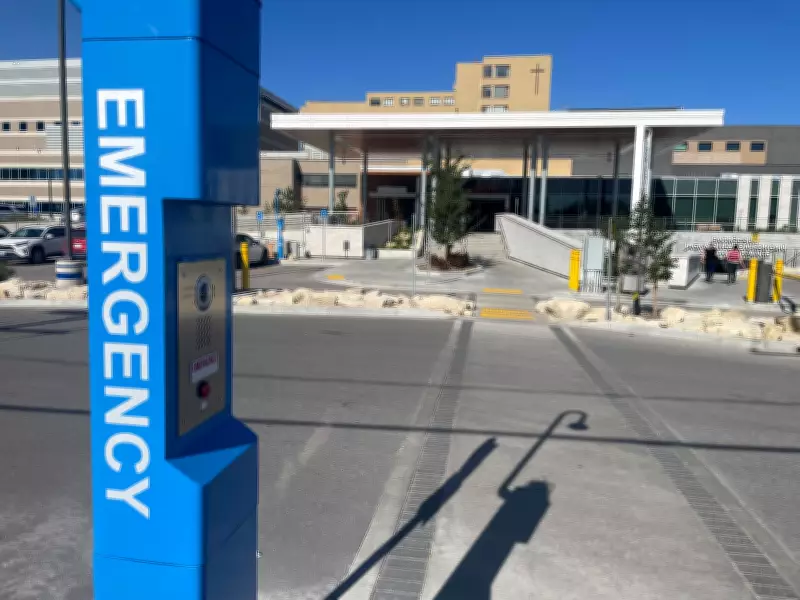
The St. Boniface Hospital and other medical facilities in Winnipeg have been listed among exposure locations, following confirmed measles infections in individuals who visited these sites. Measles, known for its high contagion rate, can spread through airborne droplets and remains active in the air for up to two hours, posing significant risks in crowded settings like hospitals.
Public Health Response and Recommendations
Health officials are advising anyone who visited the affected hospitals during specified time frames to monitor for symptoms, which typically include fever, cough, runny nose, and a distinctive red rash. Vaccination is emphasized as the most effective preventive measure, with two doses of the measles-mumps-rubella (MMR) vaccine providing about 97% protection.

"This situation underscores the importance of maintaining high vaccination coverage to prevent outbreaks," a public health representative stated. "We urge all individuals to check their immunization records and consult healthcare providers if unsure."
Broader Context and Community Impact
The measles exposures in Winnipeg occur against a backdrop of fluctuating vaccination rates and global resurgence of the disease. In recent years, misinformation and pandemic-related disruptions have contributed to declines in routine immunizations, increasing vulnerability in populations.
Local health units are coordinating contact tracing and public notifications, while hospitals enhance infection control protocols. Symptoms usually appear 10 to 14 days after exposure, and infected individuals can transmit the virus four days before and after the rash onset.
Preventive Steps for Residents
- Verify MMR vaccination status with healthcare providers.
- Seek immediate medical advice if measles symptoms develop, calling ahead to avoid exposing others.
- Practice good hygiene, such as frequent handwashing and covering coughs.
- Stay informed through official public health channels for updates on exposure sites.
This alert serves as a critical reminder of the ongoing need for vigilance against vaccine-preventable diseases, with health authorities working to contain spread and protect community well-being.