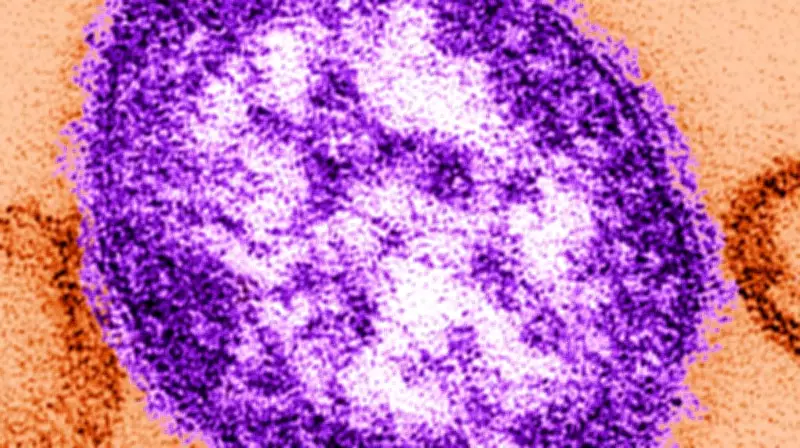
Measles Cases Skyrocket in Manitoba, Prompting Public Health Alert
Health authorities in Manitoba are sounding the alarm as measles cases have surged dramatically across the province. Officials have issued a warning regarding potential exposure at the Strathcona Community Hospital emergency department, urging residents to remain vigilant and check their vaccination status.
Rising Infections and Public Health Concerns
The recent spike in measles infections has raised significant concerns among public health experts. Measles, a highly contagious viral disease, can lead to severe complications, especially in unvaccinated individuals. The outbreak underscores the importance of maintaining high vaccination coverage to prevent further spread.
In response to the escalating situation, health officials are emphasizing the need for immediate action. They advise anyone who may have been exposed to monitor for symptoms such as fever, cough, runny nose, and a characteristic rash. Early detection and isolation are crucial to containing the outbreak.

Background and Broader Implications
This outbreak occurs against a backdrop of global measles resurgences, often linked to declining vaccination rates. In Manitoba, the rapid increase in cases highlights vulnerabilities in public health infrastructure and the ongoing challenges in combating infectious diseases.
Experts point to several factors contributing to the rise, including:
- Lower immunization rates in certain communities
- Increased travel and movement of people
- Misinformation about vaccine safety
Addressing these issues requires a coordinated effort from healthcare providers, government agencies, and the public to promote vaccination and educate on the risks of measles.
Official Recommendations and Next Steps
Health officials are urging all Manitobans to ensure they are up-to-date with their measles, mumps, and rubella (MMR) vaccinations. Vaccination remains the most effective way to prevent measles and protect vulnerable populations, such as infants and those with compromised immune systems.
In addition to vaccination, authorities recommend:
- Practicing good hygiene, such as frequent handwashing
- Avoiding close contact with infected individuals
- Seeking medical attention if symptoms develop
As the situation evolves, ongoing surveillance and public awareness campaigns will be critical in mitigating the impact of this outbreak and preventing future occurrences.