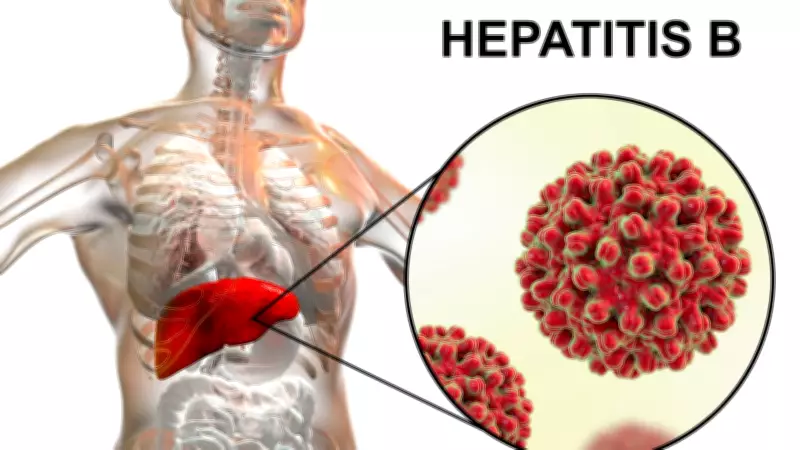
March is recognized as Liver Health Month, a time dedicated to raising awareness about liver-related conditions and promoting overall hepatic well-being. Among the various liver ailments, chronic hepatitis B stands out as a significant health concern that can profoundly affect liver function over time.
What is Hepatitis B?
Hepatitis B is a viral infection that attacks the liver and can cause both acute and chronic disease. The virus is transmitted through contact with the blood or other body fluids of an infected person. Chronic hepatitis B, in particular, is a long-term condition where the virus remains in the body, potentially leading to serious liver damage, including cirrhosis, liver failure, or liver cancer if left untreated.
Signs and Symptoms
The symptoms of hepatitis B can vary widely, and some individuals may not exhibit any signs at all, especially in the early stages. Common symptoms include:

- Fatigue and weakness
- Jaundice (yellowing of the skin and eyes)
- Abdominal pain, particularly in the liver area
- Dark urine and pale stools
- Loss of appetite and nausea
- Joint pain
It is crucial to note that chronic hepatitis B often develops silently, with symptoms appearing only after significant liver damage has occurred. Regular screening and early detection are vital for effective management.
Treatment Options
Treatment for hepatitis B depends on whether the infection is acute or chronic. Acute hepatitis B may not require specific treatment other than supportive care to relieve symptoms. However, chronic hepatitis B typically involves ongoing medical management to control the virus and prevent liver damage.
- Antiviral Medications: Drugs such as entecavir, tenofovir, and lamivudine are commonly prescribed to suppress viral replication and reduce the risk of liver complications.
- Regular Monitoring: Patients with chronic hepatitis B need frequent blood tests and liver imaging to monitor disease progression and treatment efficacy.
- Lifestyle Modifications: Avoiding alcohol, maintaining a healthy diet, and getting vaccinated against hepatitis A can help protect the liver.
- Liver Transplant: In severe cases where liver damage is extensive, a transplant may be necessary.
The Importance of Liver Health
The liver is a vital organ responsible for numerous functions, including detoxification, protein synthesis, and the production of biochemicals necessary for digestion. Chronic hepatitis B can impair these functions, leading to a cascade of health issues. During Liver Health Month, healthcare professionals emphasize the importance of preventive measures, such as vaccination, which is highly effective in preventing hepatitis B infection.
Public health initiatives also focus on educating the public about risk factors, which include unprotected sex, sharing needles, and exposure to infected blood. By increasing awareness and promoting early intervention, the burden of hepatitis B can be significantly reduced, improving outcomes for those affected by this chronic condition.