The head of Windsor-Essex's public health authority has issued a stark warning to city council, arguing that a proposed increase to bus fares could negatively impact the health and well-being of residents who depend on the service.
Public Health Official Sounds Alarm
Ken Blanchette, CEO of the Windsor-Essex County Health Unit, addressed city council during lengthy budget deliberations on Monday, January 12, 2026. He framed accessible transportation as a critical pillar of public health, on par with housing and food security. "Transportation is a social determinant of health, just as much as housing, just as much as income, just as much as food," Blanchette stated.
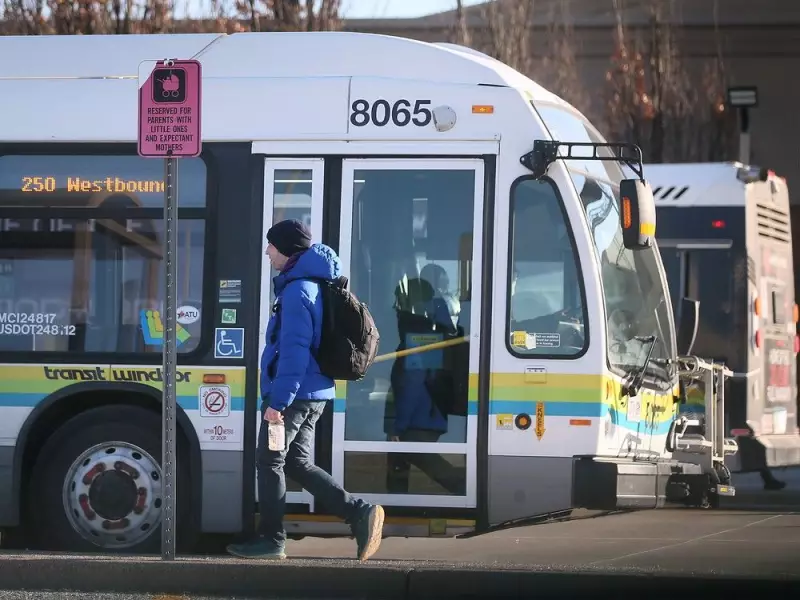
His central concern focused on the potential fallout from Mayor Drew Dilkens's proposal to raise the cost of a Transit Windsor bus ride by $0.25, bringing the single fare to $4. "Increasing the cost to those that rely on that transportation could have an adverse effect on those struggling already," Blanchette cautioned.

Riders Share Stories of Struggle
Blanchette was joined by several transit users who passionately appealed to council during the more than six-hour meeting. A common theme was the desire for a more reliable and frequent service, rather than increased costs.
Megan Ball delivered a powerful account of navigating the city with two young children in a double stroller, often being passed by full buses or waiting in harsh weather. She outlined the severe constraints of a tight household budget. "My current household budget is $2,000 for three people per month with rent and debts, and yes, medical expenses to pay down," Ball said. "You can't understand how people like me live, and you owe the vulnerable a better shake than you are providing."
Calls to Follow the Master Plan, Not Raise Fares
Nate Hope, representing the advocacy group Activate Transit Windsor Essex, urged council to look beyond fare increases and instead focus on implementing the existing Transit Windsor Master Plan. Adopted in 2020, the plan is an eight-year roadmap for improving the system.
"Transit has the potential to be an economic driver in our city, as it is in so many other communities across Canada," Hope argued. He emphasized that investment in better service, not higher fares, is the proven path to increased ridership and broader community benefit. "Cities across the world have shown that improved services can lead to increased ridership. Transit investment benefits the city as a whole, and we have a great vision in the transit master plan, so let's hold the fees and follow the plan."
According to the 2026 operating budget documents, the proposed fare increase to $4 is estimated to generate an additional $898,500 in annual revenue for Transit Windsor. This measure is part of a series of changes aimed at boosting revenues to support a proposed municipal tax freeze.
The debate highlights a growing tension between fiscal constraints and the essential role of affordable public transit in supporting the health, economic mobility, and daily lives of Windsor residents.