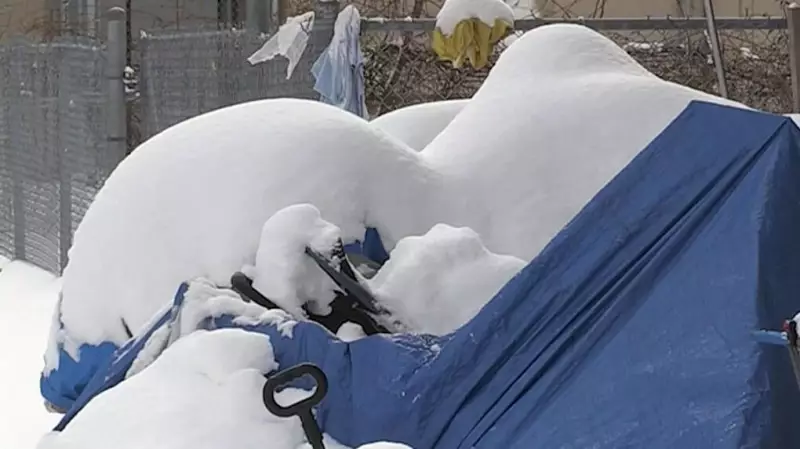
Medical professionals in Ontario are sounding the alarm as a sharp rise in severe frostbite cases is being reported among the region's most vulnerable populations. The spike coincides with a prolonged period of extreme cold weather, creating a dangerous situation for those without adequate shelter or resources.
A Disturbing Trend in Patient Care
Frontline healthcare workers describe an influx of patients suffering from serious, sometimes life-altering, frostbite injuries. "It's really scary right now," one source reported, highlighting the palpable concern in emergency departments and community clinics. The injuries are not minor; they involve significant tissue damage that can lead to long-term complications or even amputation if not treated promptly and properly.
The situation is exacerbated by the compounding crises of housing insecurity and poverty, which leave many individuals exposed to the elements for extended periods. Shelters are often at capacity, and the simple act of seeking warmth can become a daily struggle for survival.

Systemic Pressures and Winter's Grip
This public health emergency unfolds against a backdrop of other severe winter challenges across Canada. In a controversial move, Ontario public servants were recently told to report to their offices during a major snowstorm, despite official travel warnings. This directive raised questions about workplace safety and risk assessment during extreme weather events.
Meanwhile, environmental concerns are also front and centre. A Yellow Snowsquall watch was issued around Georgian Bay, warning of hazardous, rapidly changing conditions. In Saskatchewan, recent warmups have raised significant ice safety concerns on lakes and rivers, creating another layer of seasonal danger for residents.
A Call for Community Awareness and Action
The increase in frostbite cases serves as a grim reminder of winter's disproportionate impact. Experts urge community members to check on vulnerable neighbours, support local shelters, and be aware of the signs of frostbite, which include:
- Numbness or loss of feeling in exposed skin.
- Skin that appears white, waxy, grayish-yellow, or unusually firm.
- Aching, tingling, or blistering as the area warms.
Public health officials emphasize that prevention is key. They recommend dressing in layers, covering all exposed skin, and limiting time outdoors during extreme cold warnings. For municipalities and social services, the crisis underscores the urgent need for expanded warming centres and accessible outreach to protect every resident from the deadly cold.