The Paradox of Modern Substance Regulation
In contemporary society, governments display strikingly different approaches to regulating various substances, creating what many observers describe as a policy paradox. While nicotine consumption faces vigorous discouragement through comprehensive public health campaigns, smoking bans, and massive lawsuits against tobacco companies, alcohol and cannabis enjoy increasingly liberalized access and promotion.
Historical Context and Current Reality
The debate about substance regulation has evolved significantly since the 1960s and 1970s, when discussions primarily focused on whether marijuana presented greater dangers than alcohol. Today, the landscape has transformed dramatically. Liquor is now available in grocery stores across many regions and can be consumed in numerous public spaces. Cannabis has achieved legal status in Canada, with retail outlets proliferating rapidly—in some areas like Saskatoon, cannabis stores now outnumber Tim Hortons coffee shops.
Meanwhile, nicotine faces an entirely different regulatory environment. Public smoking bans have become widespread, aggressive information campaigns highlight tobacco's dangers, and governments have pursued substantial legal actions against major tobacco corporations. Saskatchewan alone has secured over $700 million in compensation from these lawsuits, creating what some describe as the absurd spectacle of tobacco executives publicly supporting cessation efforts while their companies continue selling harmful products.

The Alcohol Conundrum
Alcohol presents perhaps the most puzzling case in this regulatory landscape. Research consistently identifies alcohol as Canada's most significant drug problem, which logically follows from its status as the most widely consumed psychoactive substance. Yet government policies increasingly encourage broader access and consumption.
The economic and health consequences are substantial. Taxpayers ultimately bear more costs from alcohol's impacts than governments collect through liquor sales revenue. Emergency rooms regularly witness alcohol-related incidents, and the substance plays a role in devastating outcomes—including approximately one in four suicides involving alcohol consumption.
Cannabis Concerns and Changing Products
Cannabis legalization has brought its own complexities. Recent studies suggest connections between marijuana use and psychotic episodes, particularly concerning given that earlier research focused primarily on young adults rather than adolescents. The products themselves have changed dramatically, with THC concentrations in modern marijuana significantly higher than in previous decades, and cannabis concentrates containing incredibly potent levels.
While most agree that prohibition failed as a policy approach and criminalizing recreational cannabis users made little sense, questions remain about current regulatory frameworks. Why do governments actively discourage nicotine use while simultaneously expanding access to alcohol and cannabis, both of which carry documented health risks?
Electoral Reform Parallels
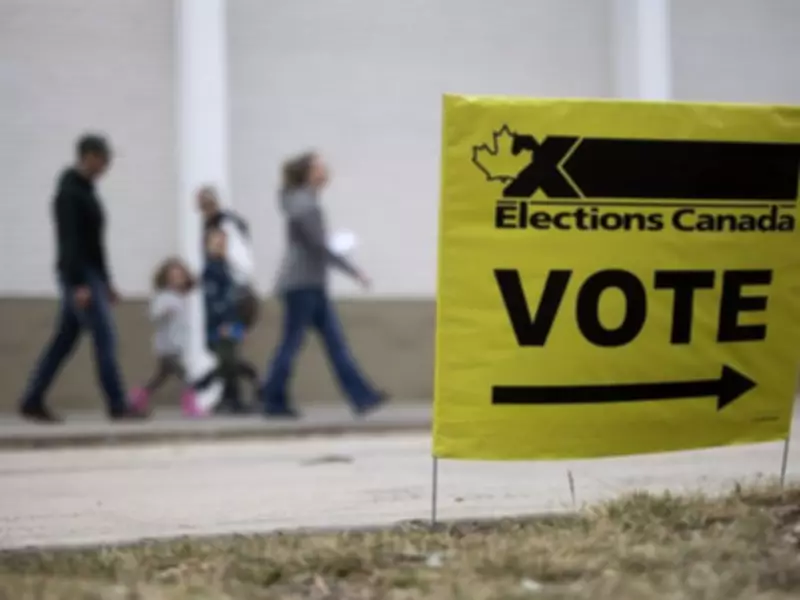
This substance policy paradox finds interesting parallels in Canada's electoral system discussions. As letter writer David Steele of Saskatoon observes, the first-past-the-post electoral system often leaves voters feeling voiceless—even when their ballots help elect Members of Parliament, those MPs frequently lack genuine influence in legislative processes.
Political commentator Andrew Coyne's analysis in 'The Crisis in Canadian Democracy' highlights how MPs historically used their positions to carefully consider, refine, and pass legislation. Today, party discipline and personal ambition often compel MPs to prioritize maintaining party power over substantive debate. Omnibus bills and limited discussion periods further restrict parliamentary voices, reducing voting to mere rubber-stamp exercises.

Proportional representation systems offer a contrasting model where votes more directly translate into parliamentary representation. As Coyne explains, PR governments tend to promote stable, consensus-based policies precisely because MPs maintain authentic voices in the process. This raises provocative questions about national unity and democratic engagement—if proportional representation systems give both voters and their representatives genuine voices, would provinces like Alberta even consider referendums on leaving Confederation?
The fundamental question persists across both substance policy and electoral reform: How can societies develop coherent, evidence-based approaches that genuinely serve public interests rather than perpetuating contradictory systems that confuse citizens and potentially exacerbate social problems?