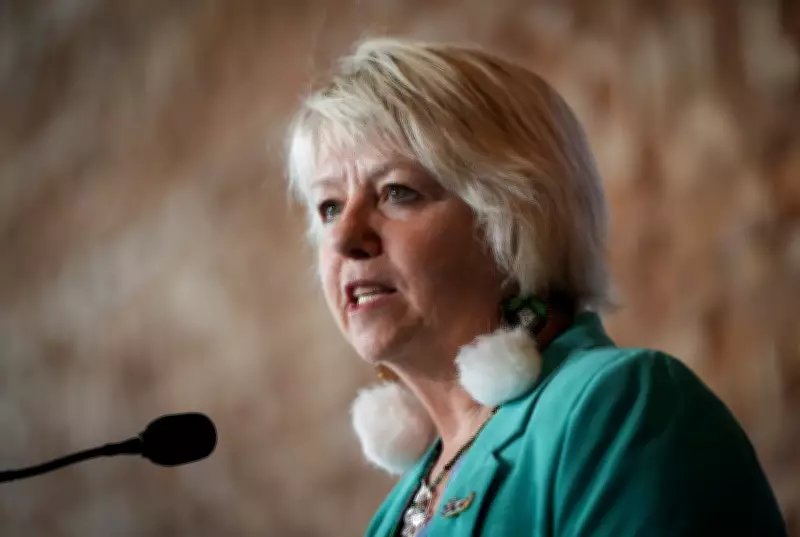
B.C. Health Officer Voices Disappointment Over Reversal of Drug Decriminalization
Provincial Health Officer Dr. Bonnie Henry has expressed profound disappointment following the reversal of British Columbia's drug decriminalization policy. This decision marks a significant setback in the province's efforts to address the toxic drug crisis, which was declared a public health emergency over a decade ago.
A Step Back in Public Health Strategy
The reversal comes at a critical time, as B.C. continues to grapple with high rates of overdose deaths and substance-related harms. Dr. Henry, a leading voice in advocating for harm reduction approaches, emphasized that decriminalization was a key component of a broader public health strategy aimed at reducing stigma and improving access to support services.
"This is a disappointing development," Dr. Henry stated. "We have seen evidence that decriminalization helps shift the focus from punishment to health, which is essential in saving lives during this ongoing crisis."

Context of the Toxic Drug Crisis
British Columbia has been at the forefront of Canada's response to the toxic drug epidemic, with decriminalization of small amounts of illicit drugs being implemented as a pilot project in recent years. The policy was designed to reduce barriers for individuals seeking help and to combat the rising toll of fatalities linked to contaminated drug supplies.
However, the reversal signals a shift in political and public support, potentially undermining progress made in destigmatizing addiction and promoting treatment over incarceration. Experts warn that this move could exacerbate health disparities and hinder efforts to connect vulnerable populations with necessary care.
Broader Implications for Health Policy
The decision highlights the ongoing tension between public health recommendations and political considerations. Dr. Henry's disappointment reflects concerns among health professionals that evidence-based interventions are being sidelined, which may have long-term consequences for community well-being and healthcare systems.
As B.C. moves forward, stakeholders are calling for a renewed focus on comprehensive solutions, including increased funding for mental health services, expanded access to safe supply programs, and continued advocacy for policies that prioritize health outcomes over criminalization.