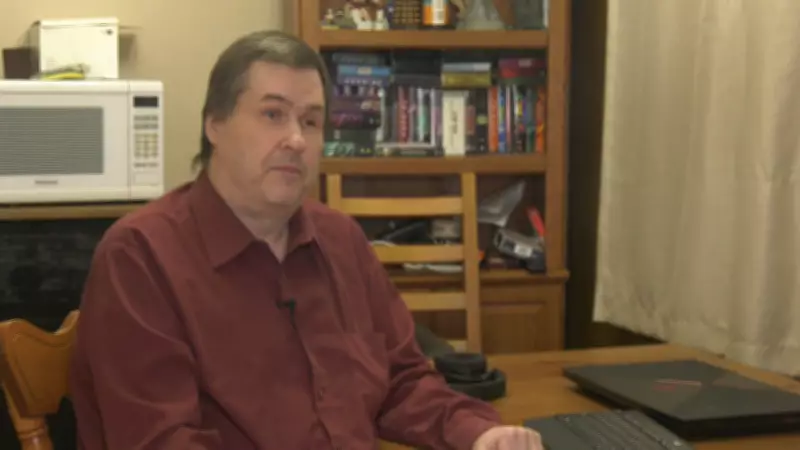
Alberta Man Reflects on Right to Die Three Days Before Medically Assisted Death
In a poignant and deeply personal moment, John Maloney of Alberta is spending his final days reflecting on what he describes as "his right to die." With his medically assisted death scheduled in just three days, Maloney opened up about his decision, offering a rare glimpse into the emotional and ethical landscape of end-of-life choices in Canada.
A Personal Choice Amidst Broader Debates
Medically assisted dying has been a contentious and evolving issue in Canadian healthcare, with legal frameworks allowing individuals under specific conditions to choose this path. Maloney's story brings a human face to the policy discussions, highlighting the complex interplay between personal autonomy, medical ethics, and societal values. "It's about dignity and control," Maloney explained from his home, emphasizing that his decision was made after extensive consultations with healthcare providers and family members.
His reflections come at a time when assisted dying laws are under continuous scrutiny, with ongoing debates about eligibility criteria and access across provinces. In Alberta, where Maloney resides, the process involves rigorous assessments to ensure that patients meet legal requirements, including having a grievous and irremediable medical condition.

The Emotional Weight of End-of-Life Decisions
For Maloney, the journey to this point has been marked by both physical suffering and profound introspection. He shared that the decision was not made lightly, but rather as a response to unbearable pain and a desire to end his life on his own terms. "This isn't about giving up; it's about choosing how I say goodbye," he stated, his voice steady yet filled with emotion.
Family and friends have been a crucial support system, with many expressing mixed feelings of sorrow and respect for his choice. Maloney's case underscores the importance of compassionate care and open conversations around death, topics that are often stigmatized in society.
Broader Implications for Healthcare and Policy
Maloney's story resonates beyond his personal experience, touching on larger themes in Canadian healthcare. As the country grapples with an aging population and increasing demands on medical services, end-of-life care remains a critical area for policy development. Experts note that cases like Maloney's can inform better practices and more empathetic approaches to patient autonomy.
Moreover, his reflections highlight the need for ongoing education and awareness about medically assisted dying, ensuring that individuals and families are well-informed about their options. In Alberta, healthcare providers are trained to navigate these sensitive discussions, balancing legal obligations with ethical considerations.
As Maloney prepares for his final days, his message is one of empowerment and reflection. "I hope my story helps others understand that this choice is about peace and respect," he said, urging society to continue evolving in its understanding of death and dignity.