WaterAid Exposes Critical Link Between Unsanitary Birth Conditions and Maternal Sepsis Deaths in Africa
New research from WaterAid reveals a devastating connection between the chronic lack of clean water and hygiene services in delivery rooms and maternal sepsis deaths across sub-Saharan Africa. The organization's "Born without water" report, released in March 2026, exposes shocking global inequalities in maternal healthcare that leave African mothers facing dramatically higher mortality risks.
Staggering Statistics Highlight Healthcare Crisis
The comprehensive study found that approximately one in nine mothers in sub-Saharan Africa develops sepsis during childbirth, with around 13,000 women dying from maternal sepsis each year. This translates to 36 mothers lost every single day to preventable infections.
The research reveals that mothers in sub-Saharan Africa are 144 times more likely to die from sepsis than those in Western Europe and North America, highlighting profound global healthcare disparities. Maternal sepsis represents the third leading cause of maternal mortality worldwide, directly linked to unhygienic childbirth conditions.

Deep Dive into Unsafe Delivery Conditions
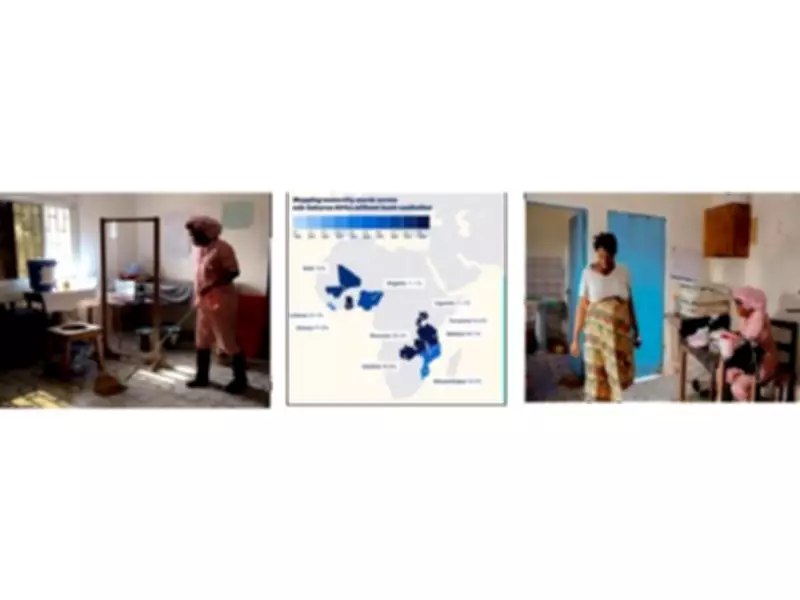
WaterAid's investigation examined maternity wards across ten Sub-Saharan African countries, including Nigeria, Rwanda, and Zambia. The findings paint a grim picture of healthcare infrastructure deficiencies:
- 76% of births (approximately three in four) occur in "unsafe" delivery rooms lacking basic essentials
- 65% of births take place in healthcare facilities without proper cleaning capabilities
- 66% occur without handwashing facilities and soap available
- 78% happen without access to decent toilets
These conditions force mothers to give birth in blood-stained rooms and walk to unclean rivers to wash open wounds post-delivery. Healthcare workers and midwives often have no choice but to provide care with unclean hands and equipment, creating dangerous infection risks for both mothers and newborns.
Country-Specific Findings and Global Implications
Across the sixteen countries studied, Zambia emerged with particularly alarming statistics. The research found that 98.8% of births occur without basic toilets, while 86.1% take place without handwashing facilities.
The report warns that global aid cuts are stalling or even reversing progress in reducing maternal and infant deaths. However, the study identifies a clear path forward: simple, affordable essentials like clean water, toilets, and handwashing could cut maternal infections and deaths by at least 50%.
Cost-Effective Solutions with Far-Reaching Benefits
WaterAid's analysis demonstrates that investing in universal water, sanitation, and hygiene across healthcare facilities could prevent 10 million cases of maternal sepsis and 8,580 deaths worldwide annually. Remarkably, this intervention would cost less than $1 per person—significantly cheaper than treating sepsis cases after they occur.
These basic essentials produce life-saving benefits that extend beyond immediate health outcomes, creating positive ripple effects across families, communities, and societies. The improvements contribute to poverty reduction, enhanced education opportunities, and greater gender equality.
Expert Commentary on Preventable Tragedy
Justin Murgai, CEO of WaterAid Canada, emphasized the urgency of addressing this crisis: "Too many women are still giving birth in facilities where there is no clean water, no soap, and no safe sanitation. When those basics are missing, childbirth can quickly become life-threatening. That's not just unacceptable, it's dangerous."
Murgai continued: "Giving birth should be one of the safest moments in a woman's life. Infections like maternal sepsis are largely preventable, and the solutions are simple and affordable. What's missing is the investment and focus needed to ensure every healthcare facility has the basics."

The WaterAid report serves as a critical call to action for governments, international organizations, and healthcare systems to prioritize water, sanitation, and hygiene infrastructure in maternal healthcare facilities. With clear evidence demonstrating both the human cost and practical solutions, the research provides a roadmap for reducing preventable maternal deaths across sub-Saharan Africa and beyond.