A decade-long analysis has revealed a significant shift in Canadian beverage consumption. Canadians now drink more low- and no-sugar beverages than high-calorie ones, with daily per-person calories from nonalcoholic drinks falling by 23 percent over the past ten years.
Key Findings of the Report
The study, funded by the Canadian Beverage Association and conducted by Signal49 Research, analyzed beverage purchasing data from 2014 to 2024. It found that the average calories per serving in purchased beverages dropped by 20.3 percent, while the volume purchased per person decreased by only 3.3 percent. This indicates that consumers are actively choosing lower-calorie options rather than simply drinking less.
Industry Initiative Exceeds Targets
The Canadian Beverage Association's Balance of Calories Initiative set a voluntary goal of reducing beverage calories by 20 percent by 2025. This milestone was actually achieved in 2023, two years ahead of schedule. Mark Dekker, vice president of sustainability, scientific and regulatory affairs at the association, noted that the reduction was driven by both industry reformulation and changing consumer preferences.

Low- and no-calorie beverages now account for 52.5 percent of total beverage volumes, up significantly from a decade ago. The volume of low-calorie drinks grew by approximately 38 percent over the study period, while high-calorie beverage volumes declined by 6.3 percent.
Drivers of Change
The steepest decline in calorie consumption occurred between 2014 and 2017, averaging five percent annually. This was largely due to reductions in sweetened carbonated drinks, which were the most popular beverage choice at the time. Companies reformulated products, introduced smaller sizes, and expanded lower-calorie options as part of the industry initiative.
Between 2017 and 2024, the decline slowed to 1.5 percent annually, partly due to increased demand for ready-to-drink coffees, energy drinks, and other higher-calorie categories. The report identified iced coffee drinks, juices, and still drinks as the most calorie-dense options.
Consumer Preferences Shift
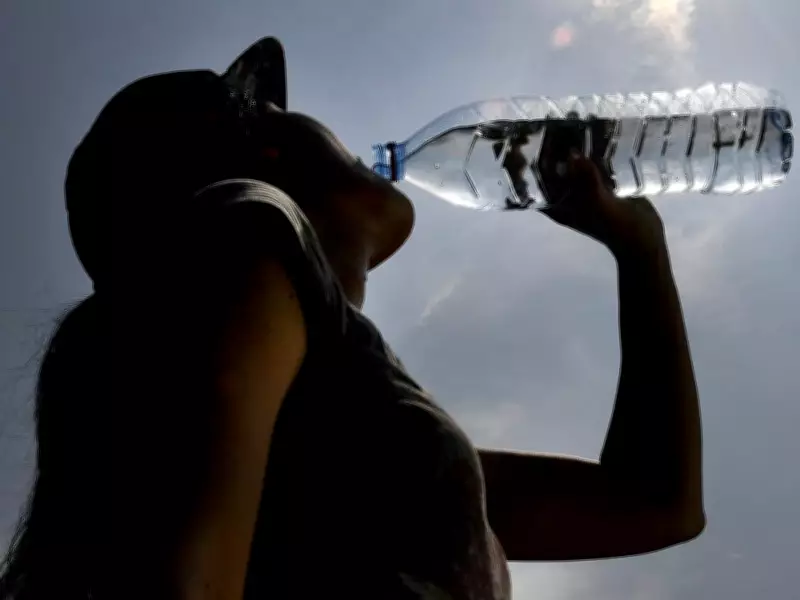
Plain packaged water is now Canadians' top hydration choice, accounting for roughly 36 percent of total volumes purchased in 2024. This marks a significant shift from a decade ago when sweetened carbonated drinks dominated. Krista Scaldwell, president of the Canadian Beverage Association, stated, "This progress shows what's possible when innovation, consumer demand and public policy goals move in the same direction."
The report highlights that lower-sugar formulations and decreased purchases of juice and sweetened carbonated drinks contributed more than two-thirds of the total calorie reduction. While sports drinks and enhanced waters saw the largest drop in caloric density, still drinks actually increased their caloric density by 21 percent over the decade.
Looking Ahead
The findings suggest that the trend toward healthier beverage choices is likely to continue. With low- and no-sugar options now mainstream, further innovations in the beverage industry may focus on reducing calories in remaining high-calorie categories while meeting consumer demand for taste and convenience.