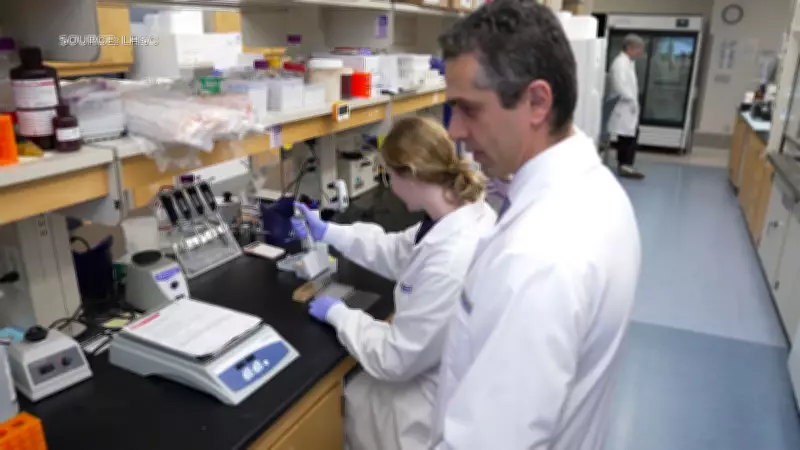
London Health Sciences Centre (LHSC) in London, Ontario, is spearheading what is being described as the largest clinical trial ever conducted in Canada. The study will investigate the use of fecal microbiota capsules, colloquially referred to as 'poop pills,' to improve the efficacy of immunotherapy in lung cancer patients.
Innovative Approach to Cancer Treatment
The trial aims to determine whether transferring healthy gut bacteria from donors can enhance the immune system's response to immunotherapy drugs. Immunotherapy has revolutionized cancer treatment, but its effectiveness varies among patients. Researchers hypothesize that the gut microbiome plays a critical role in modulating immune responses, and that fecal microbiota transplantation (FMT) could boost treatment outcomes.
How the 'Poop Pills' Work
The capsules contain carefully screened and processed fecal matter from healthy donors. Patients will ingest these pills to introduce beneficial bacteria into their digestive systems. The goal is to create a more favorable gut environment that helps the immune system recognize and attack cancer cells more effectively when combined with immunotherapy.

Scope and Significance
The trial will involve multiple centers across Canada, with LHSC at the forefront. It represents a significant step forward in personalized medicine and could pave the way for new treatment protocols. If successful, this approach might be expanded to other types of cancer and immune-related disorders.
Expert Insights
Dr. [Name], lead researcher at LHSC, stated, 'This trial has the potential to change how we treat lung cancer by harnessing the power of the microbiome. We are excited to be part of this groundbreaking research.' The study is expected to enroll hundreds of participants over the next few years.
Lung cancer remains one of the leading causes of cancer-related deaths worldwide. The integration of FMT with immunotherapy could offer new hope for patients who have limited treatment options.