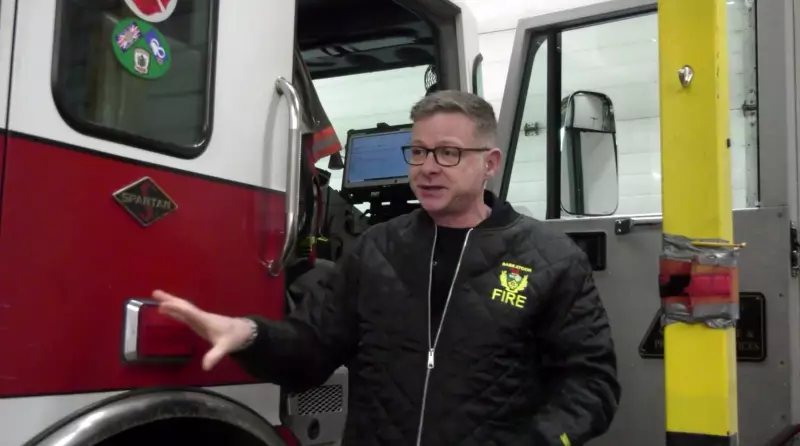
The University of Saskatchewan (USask) has launched a significant new partnership with the Saskatoon Fire Department aimed at improving mental health resources for first responders. This collaborative effort seeks to address the psychological toll and unique stressors faced by firefighters throughout their careers.
A Partnership Forged from Shared Understanding
The initiative brings together academic researchers and frontline personnel to develop tools and support systems tailored specifically to the firefighting profession. The project recognizes that the cumulative exposure to traumatic incidents, long and irregular hours, and the high-stakes nature of emergency response can have profound impacts on mental well-being.
Senior firefighter Joel McNeil, a 22-year veteran of the Saskatoon Fire Department, embodies the experience this program aims to support. Having spent countless hours in fire halls across the city, McNeil's career highlights both the dedication of first responders and the potential need for specialized psychological support over decades of service.

Addressing the Invisible Wounds of First Response
While the physical dangers of firefighting are well-known, the partnership focuses on the less visible psychological challenges. These can include post-traumatic stress, anxiety, depression, and the strain on personal relationships. The goal is to move beyond generic mental health advice and create resources that are practical, accessible, and relevant to the fire service culture.
The collaboration is timely, as awareness grows nationally about the critical need to support the mental resilience of those who protect communities. By leveraging USask's research expertise in psychology, health studies, and occupational stress, the project intends to create evidence-based programs that can be implemented directly within the fire department's infrastructure.
Building a Sustainable Model for Support
The long-term vision extends beyond creating temporary resources. The partnership aims to establish a sustainable model for ongoing mental health education, early intervention strategies, and peer support networks within the Saskatoon Fire Department. This could include training programs, confidential counseling pathways designed for first responders, and materials that help crews recognize signs of distress in themselves and their colleagues.
This joint effort between USask and the Saskatoon Fire Department, highlighted in late December 2025, represents a proactive step toward safeguarding the heroes who safeguard the city. It underscores a community commitment to ensuring that those who run toward danger have the robust support they need to manage the aftermath.