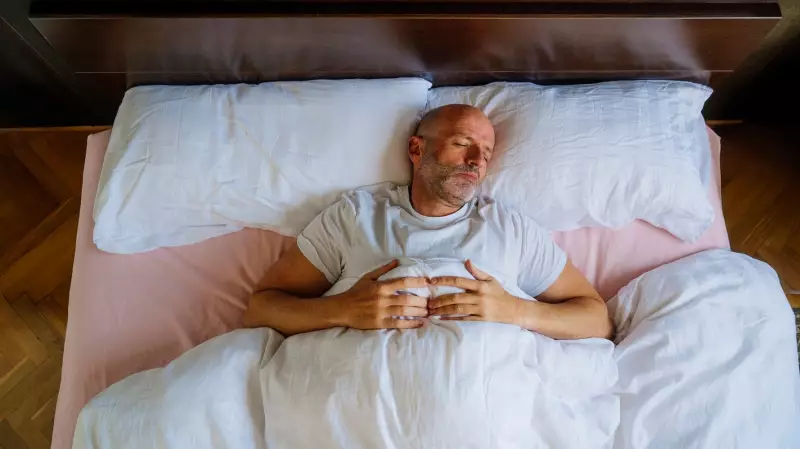
Sleep apnea, a serious disorder where breathing repeatedly stops and starts during sleep, is a widespread but often hidden health issue. According to Dr. Indira Gurubhagavatula, a sleep medicine physician and spokesperson for the American Academy of Sleep Medicine (AASM), it impacts individuals regardless of age, gender, or body type. Alarmingly, more than 80% of sleep apnea cases remain undiagnosed.
Recognizing the Hidden Symptoms of Sleep Apnea
Loud, persistent snoring is the most common red flag, notes Dr. Gurubhagavatula. However, since people are asleep when symptoms occur, they often rely on a partner or family member to notice. Other key signs include waking up gasping or choking, as well as frequent nighttime trips to the bathroom.
Neuroscientist Chelsie Rohrscheib, head sleep expert at Wesper, explains the danger: these breathing interruptions cause frequent drops in blood oxygen levels, severely disrupting sleep quality. The consequences spill into daytime life, affecting energy, mood, and overall health.

The Impact of Sleep Position and Treatment Options
For roughly half of those with sleep apnea, symptoms intensify when sleeping on the back, a condition known as positional sleep apnea. Both experts state that gravity can pull the tongue into the throat, blocking the airway in this position.
The encouraging news is that sleep apnea is treatable. Positional therapy—such as sleeping on one's side or with the upper body elevated—can offer significant relief for many, especially those with mild or positional cases. "For people with mild sleep apnea, sleeping with a firm, elevated pillow might improve their respiration," Rohrscheib advises.
However, Rohrscheib cautions that not everyone will benefit from a positional change, and disruptions may still occur. Consulting a doctor or a specialist from an AASM-accredited sleep centre for a proper evaluation, often via a home sleep study, is the critical first step.
Expert-Recommended Pillows for Sleep Apnea Management
If a healthcare professional suggests a pillow change could help, certain types are designed to address sleep apnea symptoms. Based on insights from Dr. Gurubhagavatula and Rohrscheib, here are key categories.
Side-Sleeping Pillows: For positional apnea, a medium-firm memory foam pillow that comfortably supports the head and neck in a side position can be beneficial. Adjustable contoured pillows are also advantageous, as they allow customization for an individual's unique shoulder-to-head distance.
Wedge Pillows: Both experts recommend wedge pillows to elevate the upper body. Sleeping at an incline, such as a 45-degree angle, helps reduce soft tissue blockage in the throat and can improve breathing.
CPAP-Specific Pillows: For those already using a CPAP machine, specialized pillows with side cutouts can minimize mask leaks and movement, facilitating more comfortable and effective therapy.
Supportive Aids: A contoured knee pillow can promote comfortable side sleeping by aligning the spine and reducing pressure on the neck and shoulders.
Ultimately, while the right pillow can be a valuable tool in managing mild or positional sleep apnea, it is not a substitute for professional medical diagnosis and treatment.