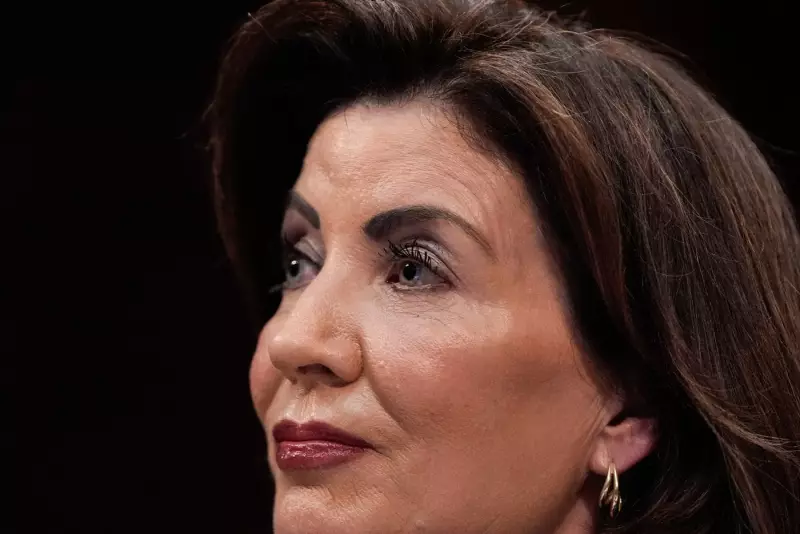
In a significant move to address growing concerns over the impact of digital platforms, the state of New York has enacted legislation requiring social media companies to display prominent mental health warnings to users. The announcement was made by Governor Kathy Hochul on December 26, 2025.
Details of the New Legislation
Governor Kathy Hochul revealed the new mandate, which compels social media platforms operating within New York to implement clear and conspicuous notices about the potential mental health risks associated with prolonged use. The decision follows increasing scrutiny from public health officials, parents, and lawmakers regarding the effects of social media on youth and adolescent well-being.
The specific requirements and formatting of the warnings are expected to be outlined by state regulators in the coming months. The law aims to foster greater user awareness about issues such as social comparison, cyberbullying, and addictive design features that can contribute to anxiety, depression, and other mental health challenges.

Context and National Conversation
This legislative action places New York at the forefront of a national debate on digital responsibility. While other jurisdictions have explored age restrictions or design regulation, New York's approach focuses directly on user notification and informed consent. The move reflects a broader shift in holding technology firms accountable for the societal impacts of their products.
Governor Hochul has positioned this as a public health imperative, akin to warnings on tobacco or alcohol products. The law is anticipated to face legal challenges from tech industry groups citing First Amendment concerns, setting the stage for a potential landmark court case.
Potential Implications and Reactions
The mandate is likely to have wide-reaching implications. For social media giants, it introduces a new layer of compliance and could influence platform design and user experience globally, given New York's large market. For users, especially younger demographics and their families, it provides an official acknowledgment of the risks that have long been discussed anecdotally.
Public health advocates have largely praised the measure as a crucial first step. However, some critics argue that warnings alone are insufficient without more substantive changes to algorithmic curation and data privacy practices. The effectiveness of the policy in actually altering user behaviour or improving mental health outcomes will be closely monitored.
This development in New York may also influence policy discussions in Canada, where similar concerns about social media's impact on mental health, particularly among youth, are prevalent at both federal and provincial levels.