A recent poll from the American Psychiatric Association paints a stark picture of modern social life. It found that 30% of Americans feel lonely every week, with a further 10% experiencing loneliness daily. This pervasive sense of isolation raises critical questions: Why is it so difficult to form meaningful connections as we age, and why does making new friends feel like a Herculean task?
The Smartphone Paradox: Connection or Isolation?
To find answers, hosts Raj Punjabi-Johnson and Noah Michelson of HuffPost's "Am I Doing It Wrong?" podcast turned to psychologist and University of Maryland professor Marisa Franco. She identified several barriers to adult friendship, highlighting one particularly ironic culprit: our cellphones.
While Franco notes that the loneliness epidemic began accelerating in the 1950s with the rise of television, she points to 2012 as a critical milestone. "That is when the smartphone became more widely used," she explained. This shift has profoundly altered our social landscape.

"Instead of spending leisure time around other people, we have this other option that offers parasocial interactions, where they feel connected, but it's kind of like a snack instead of a meal of connection," Franco said. This constant digital alternative can satisfy superficial cravings for interaction while starving us of the depth real relationships provide.
How Your Phone Undermines Conversation, Even When It's Off
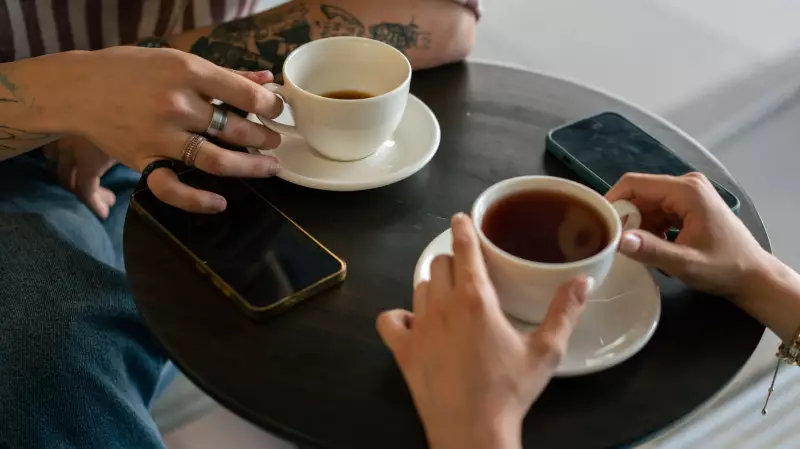
The phone's influence is insidious, extending beyond active use. Franco, author of "Platonic: How the science of attachment can help you make — and keep — friends," cited a revealing study. "Simply having a phone on the table decreases the quality of the conversation," she stated.
"Even if you're not using it — [even if] it's literally just there, part of your brain is like, 'Oh, my God, the phone is there,' which results in there not being as much 'depth or vulnerability' to the interaction," Franco elaborated. The mere presence of the device creates a psychological distraction, preventing us from fully immersing ourselves in the moment with another person.
Harnessing Technology for Good: The Case for Friendship Apps
Franco doesn't condemn technology outright. Instead, she advocates for intentional use. One potentially positive application? Friendship-focused apps. These platforms address a key challenge of adult life: identifying who is open to new connections.
"What is nice about the apps is that it's a pool of people who are available and invested in connection," Franco noted. In daily life, we often encounter people who may be unavailable due to life stage or established social circles, leading to potential rejection. On dedicated apps, that barrier is removed.
Podcast host Noah Michelson echoed this sentiment: "Everyone is showing up [on those apps] — from the jump — because they're also looking for friends, so that barrier to entry isn't there." This creates a shared purpose and openness that can be hard to find organically.
Beyond the Screen: Building and Deepening Friendships
Franco offered a wealth of additional advice for meeting people and nurturing new friendships. She emphasized the power of changing the location of meet-ups to revitalize a growing bond and even suggested places to avoid when searching for potential friends.
The full conversation, packed with practical strategies, is available on the "Am I Doing It Wrong?" podcast. Listeners can find the episode above or on their preferred podcast platform. The show's new third season also explores a wide range of life's challenges, from mastering tipping etiquette and conquering credit card debt to online dating, anxiety management, and even expert laundry secrets.
For more insights from Dr. Marisa Franco, visit her website or follow her on Instagram @DrMarisaGFranco. If you have a persistent problem or a "doing it wrong" question, you can email the podcast at AmIDoingItWrong@HuffPost.com for potential investigation in a future episode.