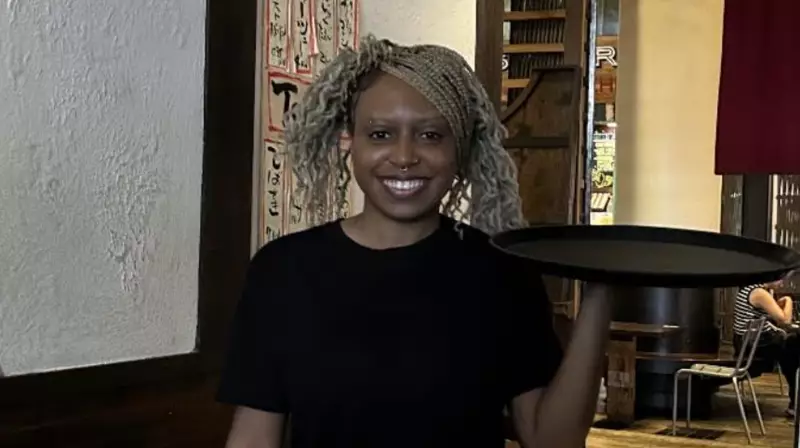
At 27, Amaris Ramey's life had unravelled. Reeling from a devastating breakup, a recent diagnosis of bipolar II disorder with psychotic features, and the overwhelming stress of a high-profile nonprofit job in New York City, she made a drastic move. She left her one-bedroom apartment for her grandfather's basement in a town south of Atlanta and traded her career for a job serving ramen in a shopping mall.
The Paradox of the "Zillennial" Experience
Despite holding a master's degree and years of professional experience, Ramey found herself in a position familiar to many "zillennials." She was both overqualified and underemployed. The job offer was stark: $2.13 an hour plus tips, or $7 an hour while working the bar. It was a far cry from her previous salary, but it came without the endless Zoom calls, urgent campaigns, and constant panic that had defined her old life. She accepted, telling herself it was temporary.
While she was stable on medication and seeing a psychiatrist, Ramey carried the hidden weight of her diagnosis. In her previous role, she presented a polished, high-achieving facade, concealing the version of herself that could go days without sleep or experience paranoia. The ramen shop, however, demanded simple, physical tasks: taking orders, carrying hot bowls, smiling, and wiping tables. For the first time in years, she felt her body and mind working in sync.

A Breakthrough Episode and Workplace Honesty
The stability, however, was fragile. About two months into the job, after bonding with new coworkers, Ramey recognized the warning signs of a manic episode. She hadn't slept for two days, was spending impulsively, and felt a surge of chaotic creativity. After a distressing night involving paranoia and a reckless drive, she reached out for help from her family and psychiatrist.
Her doctor explained she was experiencing "breakthrough symptoms"—a reminder that bipolar disorder has no cure, and symptoms can return even with medication and routine. He adjusted her dosage. When she returned to work three days later, a coworker remarked on her absence. For the first time ever in a workplace, Ramey was honest. "I explained that I had a mental health crisis," she said. The coworker's response—a slight smile, reassurance, and pride in her for getting help—was transformative. That moment of non-judgmental support allowed her to feel seen without fear.
Redefining Success on Her Own Terms
Ramey reflects that her initial diagnosis felt like a "death sentence," ruining her narrow vision of success defined by a dream job and her own apartment. She now believes her bipolar disorder, in a way, saved her from a life where she was losing herself. The ramen shop did not cure her, but it provided essential structure, honest work, and human connection. She leaves tired, but not spiritually drained.
Her story challenges the societal notion that work must be a passionate calling to be valuable. "What I now realize is that what I need is something to get me through the day. I need care and stability," Ramey writes. Whether her job at the ramen shop is temporary or long-term no longer matters most. The paramount victory is her stability. Amaris Ramey is a Black queer writer, content creator, and mental health advocate from the South, sharing her journey on Instagram and TikTok @radmadgrad.