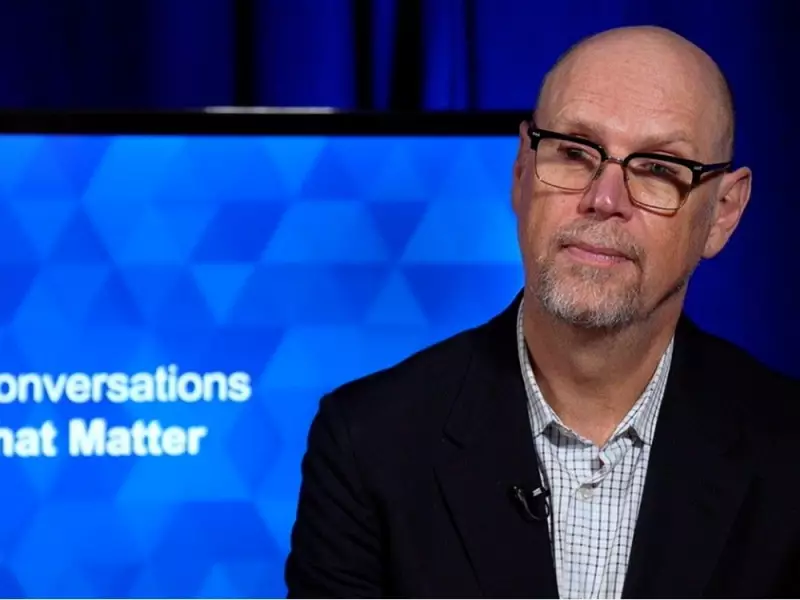
In a nation celebrated for its healthcare, a silent crisis persists among Canadian men, fueled by a deeply ingrained cultural attitude. Kenton Boston, president of the Canadian Men's Health Foundation, identifies a major roadblock: the pervasive "suck it up" mentality that discourages men from seeking help for both physical and mental health challenges.
The Weight of Silence: Biology, Behavior, and Pressure
Boston explains that men's health is a complex issue, shaped by a combination of biological factors, personal behavioral choices, and significant social peer pressure. This trifecta creates a unique set of obstacles that often leads men to suffer in silence rather than reach out for support.
Despite years of public health campaigns aimed at changing this narrative, harmful stereotypes about masculinity and stoicism remain stubbornly persistent. "Breaking down resistance to seeking help requires a patient, consistent message," Boston emphasizes. That message must affirm that men and their well-being matter deeply to their families, friends, and communities.

Beyond Physical Ailments: The Isolation of Mental Struggle
While heart disease and cancer are leading health concerns for all, Boston points to two areas where men are disproportionately and dangerously alone: mental health and suicide. The stigma surrounding these issues, combined with rigid norms of masculinity, denial, and a perceived lack of male-friendly healthcare options, creates a perfect storm that keeps men from speaking openly about their struggles.
The consequences of this silence can be severe, leading to worsened health outcomes, untreated conditions, and tragic losses. The foundation's work underscores that moving past the "suck it up" culture is not about weakening masculinity but about redefining strength to include vulnerability and proactive self-care.
A Path Forward: Consistent Messaging and Community
The solution, according to Boston, lies in sustained, compassionate outreach. It requires healthcare providers, community leaders, and families to consistently reinforce that seeking help is a sign of responsibility, not weakness. Creating more accessible and welcoming healthcare environments for men is also a critical component of the strategy.
Boston recently elaborated on these challenges and potential solutions as a guest on the Conversations That Matter series. The full discussion, which delves deeper into the factors complicating men's well-being, is available for viewing, highlighting the ongoing public dialogue necessary to drive change.
The call to action is clear: for the health of Canadian men, the outdated and dangerous "suck it up" ethos must be replaced with a culture of openness, support, and proactive health management.