Windsor-Essex Health Conference Showcases Collaborative Research Excellence
Health professionals from across Windsor-Essex gathered in downtown Windsor on Saturday, March 28, 2026, for the annual WE-SPARK Health Research Conference, celebrating what organizers called "the biggest year yet" for collaborative medical advancements in the region.
Record Participation and Cross-Border Collaboration
The conference at Caesars Convention Centre attracted over 370 participants representing diverse backgrounds from Windsor-Essex, Ontario, and Michigan. This significant turnout demonstrated growing interest in the region's health research ecosystem, which has been gaining national attention for its innovative approach to medical collaboration.
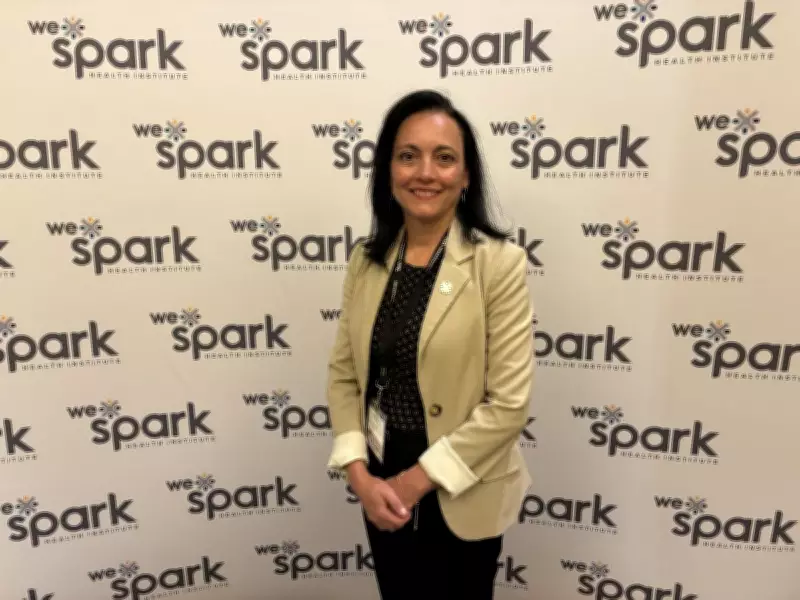
"These are researchers, clinicians, students and trainees from all areas of health research coming together," emphasized Dora Cavallo-Medved, Director of the WE-SPARK Health Institute and a professor of medical sciences at the University of Windsor. "Because we are a partnership, and we're doing it together, this is what is making the big impact of building health research."

Innovative Presentation Formats and Keynote Insights
The conference featured several innovative presentation formats designed to maximize knowledge sharing. Researchers presented their findings through traditional poster presentations, while graduate students participated in a unique "rapid-fire" session where they had exactly three minutes each to explain their research projects, strictly enforced by a buzzer system.
Dr. Nikki Woods, a globally recognized leader in health professions education, delivered the keynote address, sharing insights about advancing medical education and research methodologies. Her participation underscored the conference's growing reputation within the broader medical community.
Partnership Model Driving Research Impact
WE-SPARK represents a unique partnership model between regional hospitals and academic institutions, including the University of Windsor, St. Clair College, Windsor Regional Hospital, Hôtel-Dieu Grace Healthcare, and Erie Shores HealthCare. This collaborative framework enables health professionals from different disciplines to work together more effectively than traditional siloed approaches.
"The university can't do it alone. The hospitals can't do it alone," Cavallo-Medved explained. "Building that research ecosystem allows us to bring forward new advances in health care, which automatically translates into improving patient outcomes."
Regional Strengths and National Recognition
Conference organizers highlighted three primary research strengths that have helped put Windsor-Essex "on the map" in health research: cancer studies, mental health initiatives, and community health programs. These focus areas represent both local health priorities and opportunities for broader medical contributions.
"That collaborative nature is what other places across Canada are looking at and saying, 'that's a great model,'" Cavallo-Medved noted, suggesting that the WE-SPARK approach could serve as a blueprint for other regions seeking to enhance their medical research capabilities through partnership.
The conference demonstrated how cross-institutional collaboration can accelerate medical discoveries while fostering a supportive environment for emerging researchers and clinicians. As health challenges become increasingly complex, such cooperative models may prove essential for developing effective treatments and improving patient care outcomes across diverse communities.