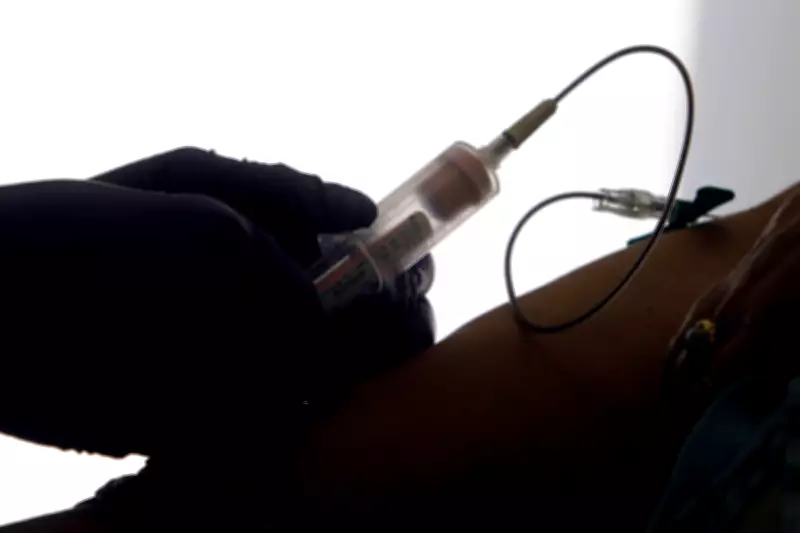
A groundbreaking study has found that post-traumatic stress disorder (PTSD) leaves detectable marks in the blood, opening the door to new methods of diagnosis and care. The research, published recently, identifies specific biological markers that could revolutionize how PTSD is identified and treated.
Key Findings of the Study
Scientists analyzed blood samples from individuals with and without PTSD, discovering distinct molecular signatures associated with the condition. These biomarkers include changes in gene expression, immune system activity, and stress hormone levels. The findings suggest that PTSD has a measurable physiological impact beyond psychological symptoms.
Implications for Diagnosis
Currently, PTSD diagnosis relies on clinical interviews and self-reported symptoms, which can be subjective. Blood-based tests could provide an objective tool for early detection, especially in populations at high risk, such as military veterans or survivors of trauma. This could lead to faster intervention and improved outcomes.

Potential for Personalized Treatment
The study also opens avenues for personalized medicine. By identifying specific biomarkers, doctors could tailor treatments to individual patients, monitoring progress through blood tests. This approach may enhance the effectiveness of therapies like cognitive behavioral therapy or medication.
Expert Commentary
Dr. Sarah Thompson, a lead researcher, stated, "Our findings demonstrate that PTSD is not just a mental disorder but a systemic condition that affects the entire body. Blood biomarkers could transform how we approach diagnosis and care." The study calls for further research to validate these markers in larger, diverse populations.
Future Directions
Scientists aim to develop a simple blood test that could be used in primary care settings. If successful, this could reduce stigma and barriers to diagnosis, helping millions who suffer in silence. The study represents a significant step toward integrating biological measures into mental health care.
While more work is needed, this research offers hope for more accurate diagnosis and effective treatment of PTSD, ultimately improving the lives of those affected by trauma.