Indigenous Leadership Health Research: A Groundbreaking Study by U of S Graduate
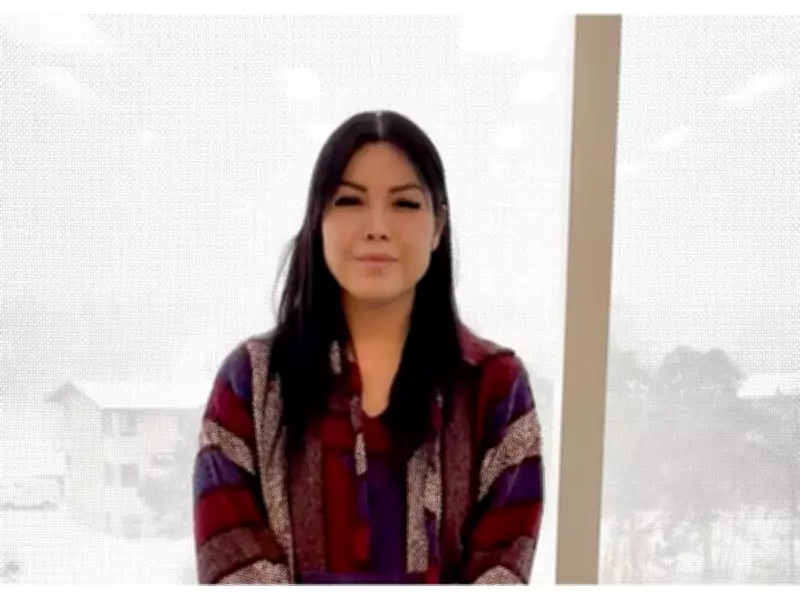
University of Saskatchewan graduate student Sheila Naytowhow is pioneering a novel research approach to understand how First Nation elected officials experience and derive meaning from their leadership roles, with a particular focus on their holistic health and wellness. Raised by First Nation elected officials herself, Naytowhow witnessed firsthand the profound impacts these positions can have on individuals.
Personal Motivation Behind the Research
"My late grandfather was a Chief in our community but unfortunately, he passed from a brain aneurysm when I was a teenager. He was only 53," Naytowhow revealed, explaining the personal origins of her academic journey.
"The health of my family started off as the main driver for my research but, as I progressed, my focus now extends to future generations and leaders," she added, highlighting how her work has evolved from personal concern to broader community impact.

Academic Background and Research Approach
With a background in both business and psychology—having earned her bachelor's degree in psychology from the College of Arts and Science and a graduate certificate in leadership from Edwards School of Business at the University of Saskatchewan—Naytowhow brings interdisciplinary perspective to her work. As a master's student in the U of S College of Medicine, supervised by Dr. Shelley Kirychuk, she is particularly interested in how leadership experiences impact overall well-being, including physical, mental, emotional and spiritual dimensions.
"I want to understand the experience of First Nation elected officials from their perspective, without clouding it with my interpretation as a researcher. To achieve this, I had to develop an approach that prioritizes Indigenous worldviews," Naytowhow emphasized.
Developing a New Phenomenological Method
To ground her work, Naytowhow turned to descriptive phenomenology, an area of study that examines people's experience in the world. Originally developed by philosophers of the late 19th and early 20th century, phenomenology is now used as a health research method. She studied phenomenological philosophers of Germany and France, particularly the work of Maurice Merleau-Ponty.
"I was really interested in ideas that take a more holistic approach which includes both mind and body to understanding the underlying meaning of an experience," she explained.
Despite finding value in existing phenomenological approaches, Naytowhow identified limitations in how current methods focus on attaining universal meaning while often excluding cultural context and history. This recognition led her to develop an innovative new method.
Creating Culturally Inclusive Research Framework
"My approach was to create a new innovative phenomenological method, one that really focuses on how a particular phenomenon affects one's spiritual, emotional, mental and physical health—essentially infusing it with an Indigenous worldview which, to my knowledge, hasn't been attempted before," Naytowhow stated.
This groundbreaking methodology aims to capture the meaning or "essence" of experiences while being more culturally inclusive to honor participants' own worldviews. By integrating Indigenous perspectives into phenomenological research, Naytowhow's work represents a significant advancement in both health research methodology and understanding of Indigenous leadership experiences.
The research promises to provide valuable insights into the unique challenges and rewards faced by First Nation elected officials, potentially informing support systems and wellness strategies for current and future Indigenous leaders across Canada.