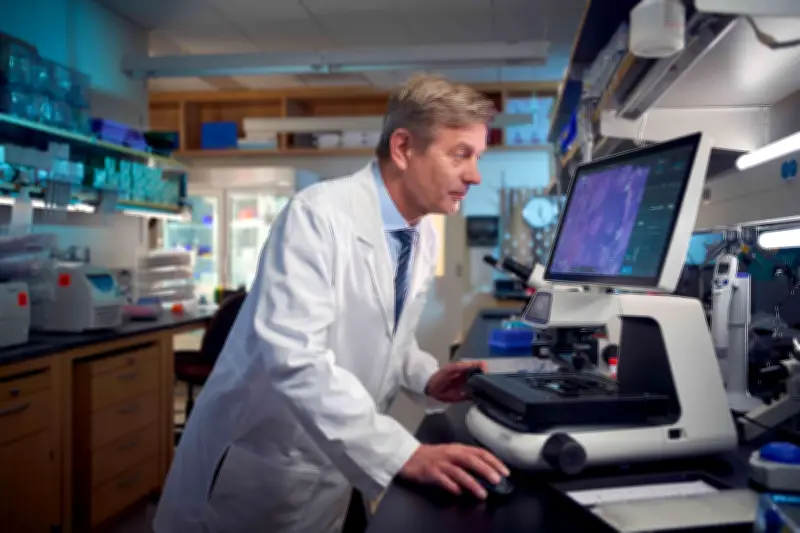
Gut Health Emerges as Critical Factor in Cancer Treatment
Dr. Marcel van den Brink, a leading oncologist, has highlighted the significant collateral damage caused by aggressive cancer treatments, pointing to the gut microbiome as a key area of focus. According to recent findings, a healthier gut may be essential for improving cancer care and patient outcomes.
The gut microbiome, which consists of trillions of microorganisms, plays a vital role in immune function and overall health. Disruption of this ecosystem during cancer therapy can lead to severe side effects and reduced treatment efficacy. Researchers are now exploring ways to protect and restore gut health in cancer patients.
Understanding the Gut-Cancer Connection
Studies have shown that certain bacteria in the gut can influence how patients respond to immunotherapy and chemotherapy. A balanced microbiome helps regulate inflammation and supports the immune system's ability to fight tumors. Conversely, an imbalanced gut may contribute to treatment resistance and complications.

Dr. van den Brink emphasizes that integrating gut health strategies into cancer care could minimize collateral damage and improve quality of life. This includes dietary interventions, probiotics, and fecal microbiota transplants, which are being tested in clinical trials.
Practical Steps for Patients
Patients undergoing cancer treatment are encouraged to adopt a diet rich in fiber, fermented foods, and prebiotics to support gut health. Avoiding unnecessary antibiotics and managing stress are also crucial. However, any changes should be discussed with a healthcare provider to ensure safety and appropriateness.
The research underscores a growing recognition of the microbiome's role in medicine. As scientists continue to unravel these complex interactions, personalized approaches to cancer care that consider gut health may become standard practice.