Family Chooses Hope Amid Homelessness and Rare Medical Diagnosis
Tiara Andrews and Devin Ranger faced an impossible decision during Andrews' pregnancy. Medical professionals had diagnosed their unborn baby with caudal regression syndrome (CRS), a rare condition affecting the development of the lower spine. Doctors warned the couple their child might not survive birth and recommended termination.
A Decision Against Medical Advice
"We were probably gonna lose him anyways, but we wanted to at least get a chance to meet him," said Ranger, explaining their choice to continue the pregnancy despite grim medical predictions. "I don't think I could have lived with myself if we had gone through with the termination and then found out after the fact that things could have been better."
The couple was navigating this crisis while experiencing homelessness. They had moved from subsidized housing in Weyburn to a Moose Jaw campground and were traveling to Saskatoon when they arrived in Regina, nearly broke and pregnant, trying to distance themselves from drug culture influences.

Theo-Zerah's Challenging Arrival
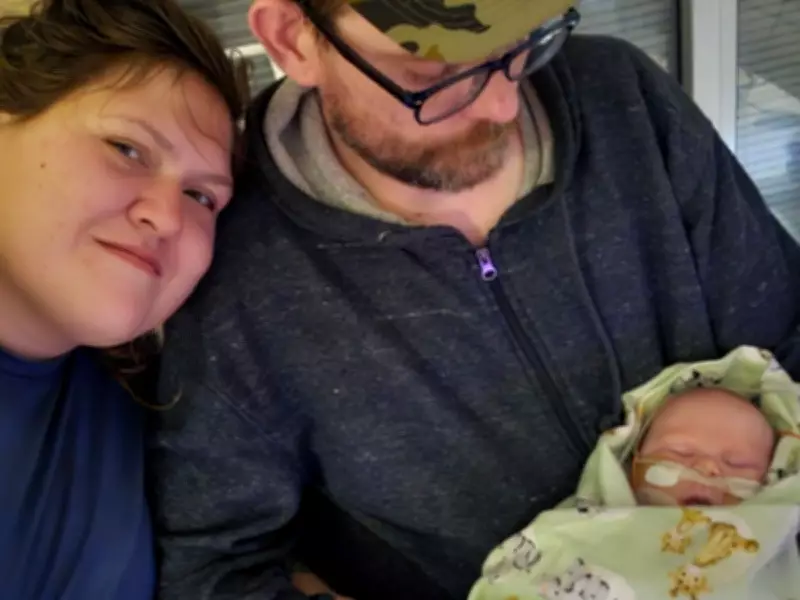
Theo-Zerah Ranger-Andrews was born prematurely on March 6, 2026 at Regina General Hospital with numerous abnormalities related to his condition. The diagnosis of sacral agenesis meant he might be missing pelvic, hip, or leg bones that could prevent walking even with surgical intervention.
The newborn faced immediate medical challenges:
- Born approximately one month early
- Apparent absence of hip bones
- Undersized jaw requiring CPAP machine assistance for breathing
- Legs described as "just kind of floating" by his father
Early assessments showed normal cognitive abilities, hearing, and vision, offering some hope amid the difficulties.
Navigating Healthcare and Housing Crises
Andrews, who has diabetes and First Nations status, spent the final month of her pregnancy hospitalized. Following Theo's birth, the family qualified for a non-insured benefits program that initially covered motel accommodations and hospital transportation while their son received care in Regina General Hospital's neonatal intensive care unit (NICU).
In mid-March, Theo was transferred via STARS air ambulance to Jim Pattison Children's Hospital in Saskatoon for specialized care. The couple also has a two-year-old son who is being cared for by relatives during this challenging period.
Understanding Caudal Regression Syndrome
Medical literature indicates CRS occurs in approximately one of every 25,000 live births, but the incidence increases significantly to about one in 85 births for diabetic mothers. Andrews' diabetes placed her in this higher-risk category for the condition.
The syndrome impacts development of the lower spine and can result in varying degrees of disability depending on which vertebrae are affected. While medical professionals had initially missed indicators during early ultrasounds—a common occurrence with this condition—later examinations revealed the serious nature of Theo's developmental challenges.
Despite the overwhelming obstacles, Andrews expressed her motivation simply: "I just wanted to spend as much time as I could with him." The family's journey continues as they balance medical crises, housing instability, and their determination to provide what care they can for their newborn son.