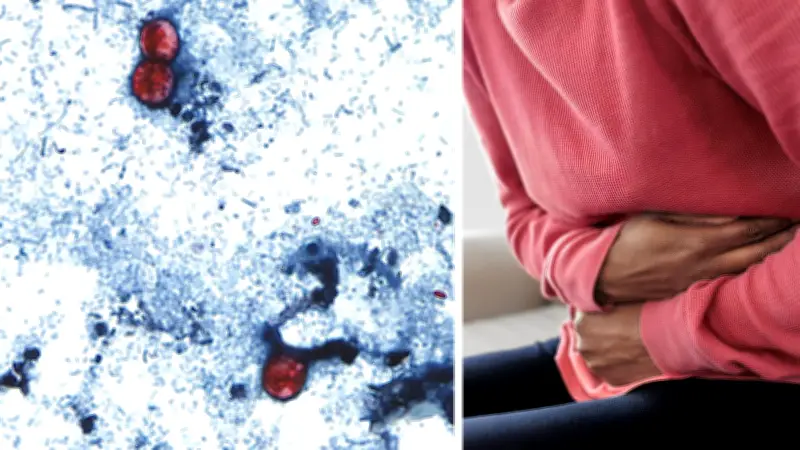
Health experts are warning travellers to the United States to avoid consuming produce from select countries due to a risk of contracting cyclospora, a microscopic parasite found in human feces that can cause explosive diarrhea. The parasite has entered U.S. produce through contaminated water used in irrigation, according to reports.
Cyclospora Contamination Source
Cyclospora cayetanensis is a single-celled parasite that infects the small intestine and leads to severe gastrointestinal distress. It is typically spread through ingestion of food or water contaminated with infected feces. In the U.S., outbreaks have been linked to imported fresh produce such as cilantro, raspberries, basil, and snow peas from countries with poor sanitation practices.
The U.S. Centers for Disease Control and Prevention (CDC) has investigated multiple cyclospora outbreaks in recent years, often tracing the source to produce from Mexico, Peru, and Guatemala. In 2025, a multistate outbreak sickened over 200 people, with many requiring hospitalization.

Symptoms and Risks
Symptoms of cyclosporiasis include watery diarrhea (sometimes explosive), loss of appetite, weight loss, stomach cramps, bloating, nausea, and fatigue. The illness can last from a few days to several weeks and may relapse in some cases. People with weakened immune systems are at higher risk for severe or prolonged illness.
According to Dr. Sarah Johnson, an infectious disease specialist at Johns Hopkins University, “Travellers should be particularly cautious about eating raw produce from countries where cyclospora is endemic. Washing produce may not remove the parasite, as it can be protected by a shell-like outer coat.”
Prevention Advice
Experts recommend that travellers to the U.S. avoid raw fruits and vegetables from countries with known cyclospora contamination. Instead, they should opt for cooked or peeled produce. The CDC advises boiling or treating water with filters or chemicals if drinking from untreated sources.
The Food and Drug Administration (FDA) has increased inspections of imported produce but acknowledges that contaminated shipments can still slip through. In 2024, the FDA issued import alerts for produce from several regions after detecting cyclospora in samples.
Potential Spread to Canada
There is concern that the parasite could reach Canada if the U.S. fails to identify and control the source soon. Dr. Michael Chen, a public health researcher at the University of Toronto, stated, “Given the integrated food supply chain between the U.S. and Canada, a widespread outbreak in the U.S. could easily spill over into Canadian markets.”
Canadian health officials are monitoring the situation and have increased surveillance of imported produce. The Public Health Agency of Canada recommends that consumers thoroughly cook or wash produce and practice good hand hygiene.