Doctors Test Digital Heart 'Twin' to Correct Irregular Heartbeat in Patient
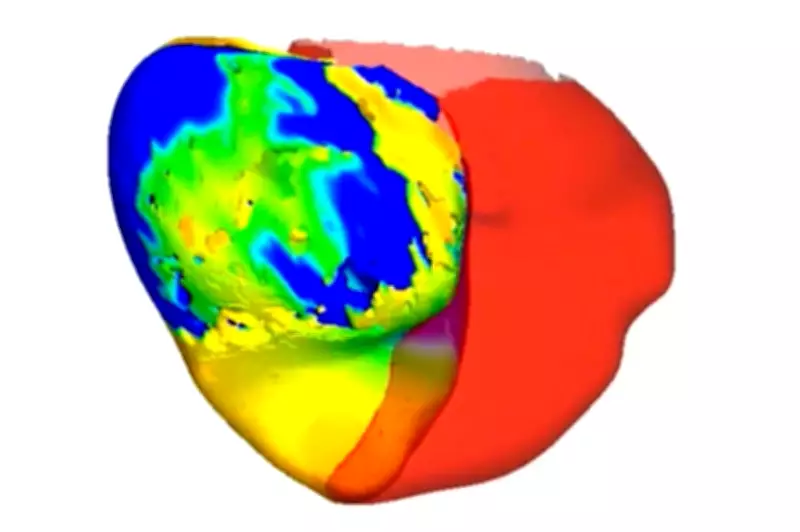
In a groundbreaking medical advancement, physicians have successfully utilized a digital replica of a patient's heart to plan and test a procedure for correcting an irregular heartbeat before performing the actual surgery. This innovative approach, involving the creation of a precise virtual model, allows doctors to simulate interventions and optimize treatment strategies with enhanced safety and accuracy.
The Digital Twin Technology in Cardiology
The process begins by constructing a detailed digital 'twin' of the patient's heart using advanced imaging and data analysis techniques. This virtual model replicates the heart's structure, electrical activity, and blood flow dynamics, enabling medical teams to identify the exact source of the arrhythmia—a condition where the heart beats irregularly, which can lead to serious health complications if untreated.
By testing various treatment scenarios on the digital twin, such as catheter ablation or medication adjustments, doctors can predict outcomes and refine their approach without risking the patient's well-being. This method not only improves procedural success rates but also reduces potential side effects and recovery time.

Expert Insights and Future Implications
Dr. Inna Rabinovich-Nikitin, a specialist in women's heart health and cardiometabolic function, emphasized the significance of this technology. "Digital twins represent a transformative tool in cardiology," she stated. "They allow us to personalize treatments and make informed decisions based on simulated data, ultimately enhancing patient care and outcomes."
The application of digital twin technology in healthcare is part of a broader trend toward precision medicine, where treatments are tailored to individual patients' unique physiological characteristics. As this field evolves, it could expand to other cardiac conditions and beyond, potentially revolutionizing how chronic diseases are managed.
While still in early stages, the successful use of a heart digital twin highlights the growing intersection of technology and medicine. It underscores the potential for artificial intelligence and data science to drive innovations that improve diagnostic accuracy and therapeutic efficacy in real-world clinical settings.