Bacterial meningitis, a potentially fatal infection causing inflammation of the brain and spinal cord membranes, remains relatively rare in the United States. According to the National Meningitis Association, approximately 600 to 1,000 people contract meningococcal disease each year. However, with 21% of cases occurring in children and young adults aged 11 to 24, understanding the early warning signs and treatment options becomes critical, especially as the back-to-school season approaches—a time when germs circulate widely.
Early Symptoms of Bacterial Meningitis
Identifying bacterial meningitis in children or young adults can be challenging, as early symptoms often mimic common illnesses. Dr. Kristin Moffitt, a physician in the infectious disease division at Boston Children's Hospital, explained that fever and headache are typical early indicators but are rarely cause for alarm. "99.9% of the time fever and headache are not due to bacterial meningitis," Moffitt told HuffPost. "I wouldn't want parents to be concerned that these two things mean something horribly serious is going on, because the odds are, they're not."
Other signs to watch for include sleepiness, a skin rash, easy bruising, irritability, and loss of appetite, according to Johns Hopkins Medicine. Symptoms often appear rapidly—within hours of infection. When more severe symptoms emerge, such as lethargy, a stiff neck, sensitivity to light, confusion, or nausea and vomiting, immediate emergency care is necessary, Moffitt emphasized.

How Bacterial Meningitis Spreads and What to Do
Bacterial meningitis is typically transmitted through prolonged, close contact with an infected person, such as sitting next to them in a classroom for an entire day. It is not easily spread through casual, brief interactions. Importantly, even if a child is exposed to the bacteria, developing meningitis is not guaranteed. "The majority of people exposed to or infected with these bacteria don't develop meningitis," Moffitt noted. "It's not entirely clear why, in rare instances, infection with these bacteria can lead to meningitis, but it likely has to do with factors unique to both the bacteria and the newly infected host."
If a child shows symptoms, Moffitt advises starting with fever management and contacting a pediatrician. "If a child is not showing the full constellation of symptoms consistent with bacterial meningitis, I think it's OK to start by treating the fever and getting on a call with your pediatrician's office," she said. The only definitive way to diagnose bacterial meningitis is through a lumbar puncture, or spinal tap, performed in an emergency room. Ideally, intravenous antibiotics should be started as soon as bacterial meningitis is suspected.
Without prompt treatment, the risk of long-term neurological issues increases, potentially affecting brain development or causing hearing loss. Standard treatment involves 7 to 14 days of IV antibiotics, with patients typically showing improvement within 24 to 48 hours after starting medical care.
Prevention and Back-to-School Advice
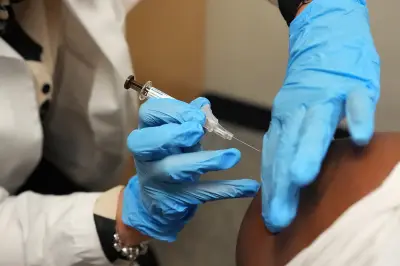
Preventive measures are highly effective against bacterial meningitis, which spreads through respiratory droplets and oral secretions. "Keeping a child up to date on their immunizations is far and away one of the most effective steps toward keeping them protected," Moffitt said. Other crucial practices include regular hand-washing and keeping sick children at home. "This is just another reminder to parents: Please don't send your children to school if they're sick, having a fever," she added. "I hope we've all learned that it's not appropriate to give a dose of ibuprofen to a child and send them on their way."
As students return to classrooms, awareness of bacterial meningitis symptoms and swift action can make a life-saving difference. While rare, the infection demands vigilance, particularly among young people aged 11 to 24.