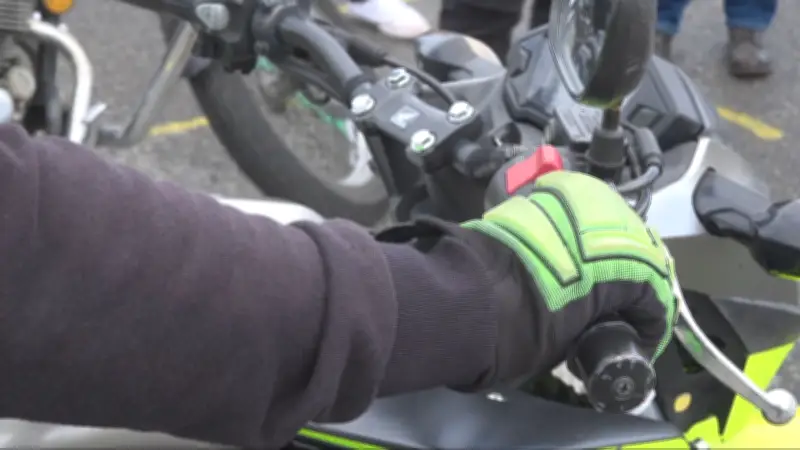
Quebec's Auto Insurance Board (SAAQ) has introduced strict new measures targeting motorcycle safety, including a zero-tolerance alcohol policy for new riders and a ban on certain motorcycle models. The regulations aim to curb the rising number of motorcycle-related injuries and fatalities on the province's roads.
Zero Tolerance for Novice Riders
Under the new rules, any driver holding a learner's permit or a probationary license for a motorcycle must have a blood alcohol concentration (BAC) of zero. Previously, the legal limit was 0.08% for all drivers. The SAAQ stated that novice riders are disproportionately involved in alcohol-related crashes, and the zero-tolerance policy is intended to reduce risks during the high-risk first years of riding.
Banned Motorcycle Models
The SAAQ also published a list of motorcycle models that are now prohibited from sale and registration in Quebec. These include high-performance sport bikes and certain custom models deemed excessively dangerous due to their power-to-weight ratio, lack of safety features, or history of high crash rates. The ban applies to both new and used vehicles, and existing owners must comply by a specified deadline or face penalties.

According to SAAQ spokesperson Marie-Claude Bouchard, the measures were developed after a comprehensive review of crash data and consultations with safety experts. “We are targeting the most vulnerable riders and the most dangerous vehicles to save lives,” she said. The board reported that motorcycle fatalities in Quebec increased by 15% over the past five years, with alcohol a factor in nearly 30% of fatal crashes.
Reactions and Impact
The new regulations have drawn mixed reactions. Motorcycle advocacy groups argue that the model bans unfairly target enthusiasts and may push riders to unregulated markets. However, road safety organizations praise the move as a necessary step. The SAAQ estimates that the measures could prevent up to 50 deaths and 200 serious injuries annually. Enforcement will begin immediately, with fines ranging from $500 to $2,000 for violations.