Woman Suffers 14-Hour ER Ordeal as Doctor Overlooks Broken Arm in Winnipeg
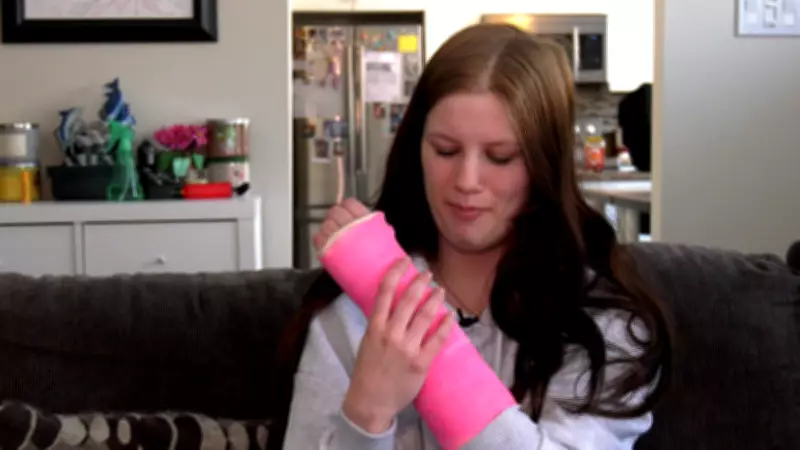
A distressing incident in Winnipeg has brought to light significant issues within the emergency healthcare system, as a local woman endured a grueling 14-hour wait in an emergency room only to have a doctor initially dismiss her broken arm. The patient, whose identity remains undisclosed, described the experience as "just constant pain," underscoring the physical and emotional toll of prolonged delays and potential misdiagnosis in medical settings.
Extended Wait Times and Diagnostic Errors
According to reports, the woman arrived at the ER seeking urgent care for what she suspected was a serious injury. Despite her evident discomfort, she was forced to wait for over half a day before receiving a thorough examination. During this time, her condition worsened, with pain persisting unabated. When finally seen by a physician, the initial assessment concluded that her arm was not broken, leading to further distress and uncertainty.
It was only after additional scrutiny or follow-up—details of which are still emerging—that the correct diagnosis of a broken arm was confirmed. This misstep has sparked concerns about the accuracy of emergency diagnoses and the pressures on healthcare professionals working in overcrowded facilities. The incident raises questions about whether staffing shortages, resource limitations, or systemic inefficiencies contributed to the oversight.

Broader Implications for Healthcare in Manitoba
This case is not isolated, as similar stories of extended ER waits and diagnostic errors have surfaced across Canada, particularly in provinces grappling with healthcare challenges. In Manitoba, where emergency rooms often face high patient volumes, such episodes highlight the urgent need for improvements in triage protocols, staff training, and infrastructure support. Patients and advocates are calling for enhanced measures to ensure timely and accurate care, especially for those with acute injuries.
Healthcare experts emphasize that delays in treatment can exacerbate injuries, leading to longer recovery times and increased complications. For broken bones, prompt diagnosis and intervention are crucial to prevent further damage and facilitate proper healing. The woman's ordeal serves as a stark reminder of the human cost when these standards are not met.
Community Response and Calls for Action
In response to this incident, community members and healthcare professionals have voiced their concerns, urging policymakers to address the root causes of ER bottlenecks. Suggestions include increasing funding for emergency services, implementing better diagnostic tools, and fostering a culture of patient-centered care. Public awareness campaigns about when to seek emergency care versus alternative options, such as urgent care clinics, might also help alleviate strain on hospitals.
As investigations into this specific case continue, it underscores a broader narrative about the state of healthcare in urban centers like Winnipeg. Ensuring that patients receive accurate diagnoses without enduring excessive waits is paramount to maintaining trust in the medical system and safeguarding public health.