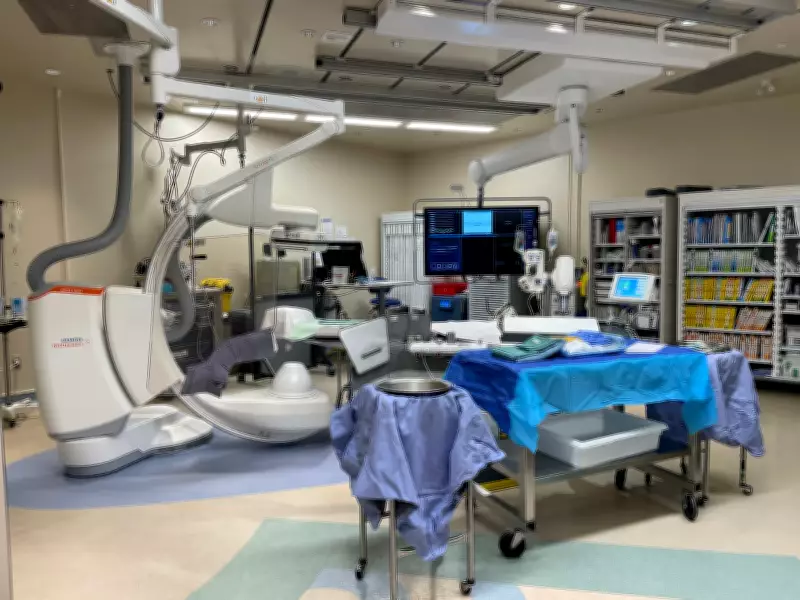
Waterloo Region Hospitals Face Capacity Strain in Cardiac Catheterization Labs
Health facilities across Waterloo Region are experiencing significant pressure as their cardiac catheterization laboratories approach full operational capacity. This development has sparked concerns among medical professionals and administrators regarding the potential impact on patient care and procedural wait times for essential heart-related interventions.
Critical Infrastructure Operating at Near Maximum Levels
The cardiac catheterization labs, which form a crucial component of the Waterloo Regional Health Network's cardiovascular services, are currently functioning with minimal available capacity. These specialized facilities are designed for diagnostic and therapeutic procedures that examine and treat heart conditions, including coronary artery disease and valve disorders. When operating at or near full capacity, these labs may struggle to accommodate emergency cases promptly or schedule non-urgent procedures without extended delays.
Cardiac catheterization represents a vital medical service that allows physicians to visualize the heart's arteries and chambers, diagnose blockages or abnormalities, and perform interventions such as angioplasty or stent placement. The increasing demand for these services in Waterloo Region reflects broader trends in cardiovascular health management and an aging population requiring more frequent cardiac care.

Potential Implications for Patient Care and System Planning
As these specialized medical units approach their operational limits, healthcare providers must carefully manage patient flow and prioritize cases based on clinical urgency. Capacity constraints in cardiac catheterization facilities can lead to extended wait times for elective procedures, potentially affecting patient outcomes and quality of life. Additionally, limited capacity may strain emergency response capabilities when patients require immediate cardiac intervention.
The situation in Waterloo Region highlights the ongoing challenges facing healthcare systems in balancing resource allocation with growing patient needs. Hospital administrators and regional health authorities will likely need to assess current capacity against projected demand, considering potential solutions such as expanded facility hours, additional staffing, or infrastructure investments to maintain adequate service levels for cardiac patients.
This capacity issue emerges within a broader context of healthcare system pressures across Ontario, where various medical specialties continue to face operational challenges following pandemic-related disruptions and evolving patient care requirements. The cardiac catheterization capacity in Waterloo Region serves as a specific example of how specialized medical services must adapt to changing demographic and health trends while maintaining quality standards.