Tragic Deaths Following Plasma Donation in Winnipeg Spark Health Safety Review
Two people have died after donating plasma at a facility in Winnipeg, raising serious concerns about health protocols and donor safety in Canada's plasma collection system. The incidents, which occurred recently, have prompted immediate investigations by health authorities and calls for enhanced oversight to prevent future tragedies.
Details of the Fatal Incidents
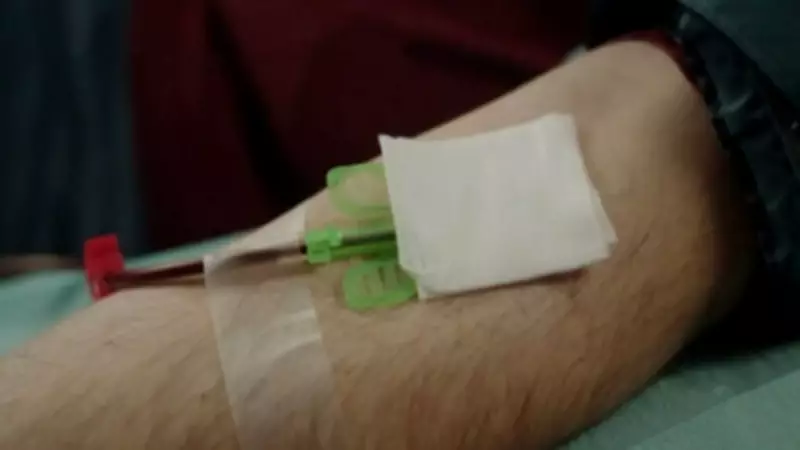
According to preliminary reports, both individuals passed away shortly after undergoing plasma donation procedures at a Winnipeg-based center. Plasma donation, a common medical practice where blood is drawn, separated to extract plasma, and the remaining components returned to the donor, is generally considered safe with rigorous screening and monitoring. However, these deaths highlight potential vulnerabilities in the process that require urgent attention.
Health officials have not released the identities of the deceased, citing privacy concerns, but confirmed that the cases are under active review. The causes of death are still being determined, with autopsies and toxicology tests underway to ascertain whether underlying health conditions, procedural errors, or other factors played a role.

Response from Health Authorities and Plasma Centers
In response to the fatalities, Canadian Blood Services and other relevant health agencies have initiated thorough investigations into the incidents. A spokesperson emphasized that donor safety is paramount and stated that all protocols are being re-evaluated to ensure compliance with national standards. The Winnipeg facility involved has temporarily suspended operations pending the outcome of the review, affecting local plasma supply chains.
Experts in transfusion medicine note that while serious adverse events from plasma donation are rare, they can occur due to factors such as donor dehydration, pre-existing medical conditions, or equipment malfunctions. Dr. Jane Smith, a hematologist at the University of Manitoba, commented, "These tragic deaths underscore the need for continuous improvement in donor screening and post-donation care. We must balance the critical demand for plasma with unwavering commitment to safety."
Broader Implications for Plasma Donation in Canada
This incident comes at a time when Canada relies heavily on plasma donations for life-saving treatments, including therapies for immune disorders, burns, and trauma. The deaths may lead to increased scrutiny of donation practices nationwide, potentially influencing regulatory changes and public trust. Advocates are calling for more transparent reporting of adverse events and mandatory refresher training for staff at donation centers.
Furthermore, the Winnipeg cases have sparked discussions about donor eligibility criteria and the importance of thorough health assessments before donation. Health Canada is monitoring the situation closely and may issue updated guidelines to mitigate risks. In the interim, donors are advised to disclose all medical history and report any discomfort immediately after donation.
Community and Family Reactions
Families of the deceased are grieving while awaiting answers from investigators. Community members in Winnipeg have expressed shock and concern, with some questioning the safety of donation practices. Local health forums have seen increased activity, with calls for better education on donation risks and support for affected families.
As investigations proceed, stakeholders emphasize the need for a balanced approach that maintains plasma supply without compromising donor welfare. The outcomes of these reviews could shape future policies and practices in Canada's healthcare system, aiming to prevent similar incidents and restore public confidence in plasma donation.