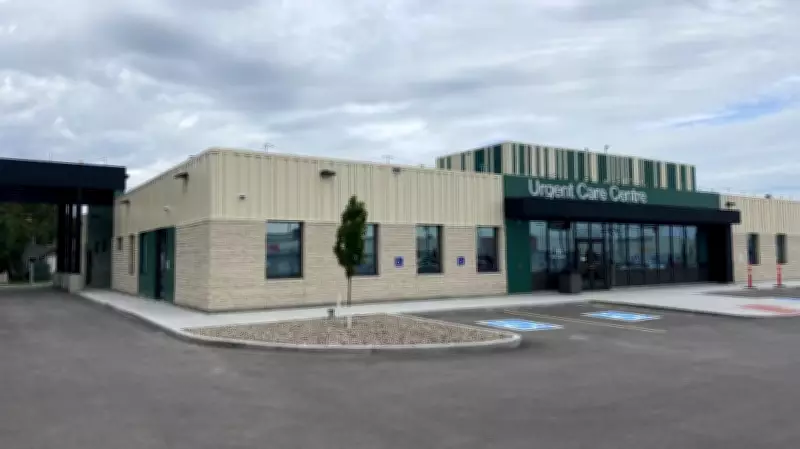
Regina's Urgent Care Centre Announces Reduced Operating Hours for Tuesday
The Regina Urgent Care Centre, located at 1320 Albert Street, will be operating on reduced hours this Tuesday, February 24, 2026. This temporary adjustment in service hours is due to operational needs and staffing considerations, as confirmed by local health authorities. Patients seeking urgent medical attention are strongly advised to plan their visits accordingly or explore alternative healthcare options if necessary during this period.
Impact on Patient Care and Community Health Services
The reduction in hours may affect access to non-emergency medical services for residents in the Regina area. While the centre typically handles a wide range of urgent but non-life-threatening conditions, such as minor injuries, infections, and other acute health issues, this temporary change could lead to longer wait times at other facilities. Healthcare officials emphasize that emergency services remain available at full capacity at nearby hospitals for critical situations.
Patients are encouraged to check the official website or contact the centre directly for the most up-to-date information on specific hours of operation. This proactive communication aims to minimize inconvenience and ensure that community members can access appropriate care without disruption.

Broader Context of Healthcare Adjustments in Saskatchewan
This announcement comes amid ongoing discussions about healthcare resource allocation and service delivery in Saskatchewan. Similar temporary adjustments have been observed in other regions, reflecting broader challenges in staffing and operational logistics within the public health system. The Regina Urgent Care Centre's decision highlights the need for flexible healthcare strategies to maintain quality care while managing practical constraints.
Local residents are reminded to utilize telehealth services or visit primary care providers for non-urgent medical concerns to help alleviate pressure on urgent care facilities. By doing so, the community can support efficient healthcare delivery and ensure that resources are directed where they are most needed.