Ontario Government Pursues Provincewide Medical Record System
The Ontario government is actively exploring the creation of a comprehensive provincewide primary care medical record system. This initiative aims to facilitate the seamless sharing of medical information between a patient's family doctor and other clinicians across the healthcare network.
Announcement by Health Minister Sylvia Jones
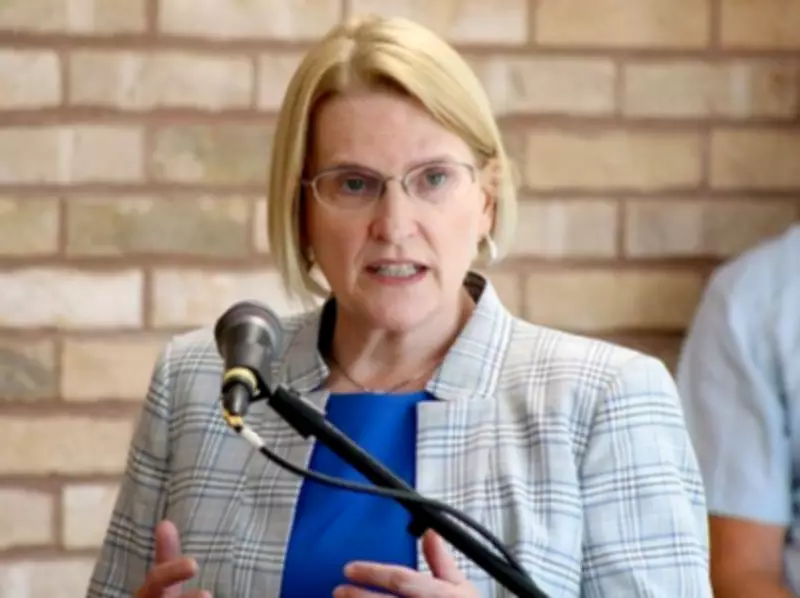
Health Minister Sylvia Jones unveiled this plan during a news conference held at Humber River Health on Thursday. She was accompanied by Dr. Jane Philpott, chair of Ontario's Primary Care Action Team. The announcement marks a significant step toward modernizing the province's healthcare infrastructure.
Dr. Philpott emphasized the critical need for this system, drawing from her experience as a family physician. She highlighted the frustrations patients face when their lifelong medical data, stored in family medicine charts, is not readily accessible in other parts of the health system during emergencies.

Addressing Safety Risks and Inefficiencies
Philpott pointed out that when patients arrive in emergency rooms without accessible medical histories—including details on allergies, medications, vaccinations, and test results—it can pose serious safety risks. This lack of information often leads to unnecessary repeat tests and delays in treatment, compromising patient care.
Furthermore, she noted the administrative burden on family doctors who must manage isolated IT systems and keep electronic medical records updated. This time-consuming task detracts from their primary focus: providing direct patient care.
Current System Limitations and Future Goals
While most primary care providers already use electronic records, Minister Jones explained that these systems are currently fragmented and do not allow for across-the-board access. The goal is to expand connectivity so that lab results, hospital visits, and interactions with home-care workers are integrated into a unified record.
"What we need to do next is expand it so that those lab results, so that those hospital visits, so those conversations with Ontario Health at home and home-care workers can all be part of that record because, frankly, that is the entire person," Jones stated.
Early Stages and Vendor Involvement
The plan is still in its initial phases, with the government collaborating with Supply Ontario on a "call for proposal" to identify vendors interested in developing the primary care medical record system. This approach seeks to leverage external expertise while ensuring a tailored solution for Ontario's needs.
Learning from Past Mistakes: The eHealth Scandal
When questioned about avoiding a repeat of the Liberals' eHealth scandal, Jones assured that the government is adopting a "multi-step process" to clarify roles and responsibilities for vendors. In 2009, the Ontario auditor general reported that $1 billion had been wasted by the eHealth agency under then-premier Dalton McGuinty, leading to the resignation of Health Minister David Caplan. A 2016 follow-up audit indicated that $8 billion had been spent on various electronic health record initiatives up to that point.
By implementing careful oversight and structured vendor management, the government aims to prevent similar financial and operational pitfalls, ensuring the new system enhances healthcare delivery without wasteful expenditures.