Heartbroken Sister Demands Answers After Brother Dies Alone Following Homecare Agency's File Closure
An Ottawa man was discovered deceased in his apartment in January after the provincial homecare agency closed his file without conducting any in-person wellness checks, simply because he was not answering telephone calls. The tragic case has sparked outrage and calls for systemic reform in homecare protocols.
Family's Anguish Over Preventable Death
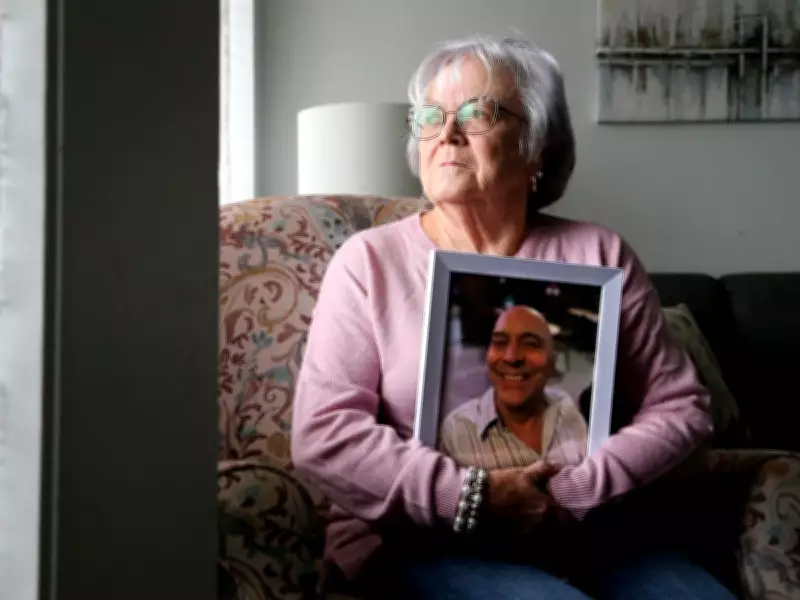
John LaCombe, 62, was found on January 21 when his concerned sister, Norine Gagnon, requested a police wellness check after growing increasingly worried about his wellbeing. Authorities estimated that LaCombe had likely been deceased for approximately seven to eight days before his discovery.
Earlier that same day, a representative from Ontario Health atHome had contacted Gagnon to inform her they were closing her brother's file due to their inability to reach him by telephone to arrange care services. Gagnon, a retired nurse, had previously warned the agency that her brother experienced difficulty answering phones following a stroke.

Systemic Failures in Homecare Protocol
Gagnon had communicated multiple times with Ontario Health atHome representatives in the weeks preceding her brother's death, attempting to secure homecare services for LaCombe following his discharge from Queensway Carleton Hospital. The agency is responsible for planning, coordinating, and funding home and community care services throughout Ontario.
On January 15, Gagnon contacted the agency to inquire whether they had initiated care for her brother following their initial meeting. When informed that LaCombe wasn't answering his phone, she explicitly requested that staff conduct an in-person wellness check.
"I said, 'Go and knock on the door, do a wellness check. This man needs help,'" Gagnon recalled telling the agency representative.She now believes this never occurred, as the coroner's findings suggest LaCombe was likely already deceased at that time.
Delayed Response and Accountability Questions
Following Gagnon's decision to speak with journalists about the incident, a representative from Ontario Health atHome finally contacted her two months after her brother's death to offer condolences and announce they were reviewing the case. The agency stated they were "taking a deep dive to find out what went wrong."
Gagnon expressed skepticism about the timing of this response, noting that no one had contacted her earlier regarding any investigation into the circumstances surrounding her brother's death.
"I told her John was supposed to get home care in 2025 and somebody shows up in 2026 and a couple of weeks later he is gone and they have done nothing," Gagnon recounted of her conversation with the agency representative.
She believes the agency only initiated action after she began publicly speaking about the case, raising serious questions about accountability and responsiveness within the homecare system.
Calls for Systemic Reform
This tragic incident highlights critical gaps in homecare protocols, particularly regarding vulnerable patients who may have difficulty communicating via telephone. Gagnon's experience underscores the need for more robust safety measures when patients cannot be reached through standard contact methods.
The case has prompted broader discussions about how homecare agencies handle situations where clients are unresponsive, with advocates calling for mandatory in-person wellness checks before files are closed on vulnerable individuals.
As investigations continue, this heartbreaking story serves as a stark reminder of the human consequences when healthcare systems fail to implement adequate safeguards for those most in need of support and monitoring.