U.S. Hospital System Forced to Close All Clinics Following Devastating Ransomware Attack
A significant healthcare crisis has unfolded as a major U.S. hospital system was compelled to shut down all its clinics following a severe ransomware attack that crippled its operations. The incident, which occurred on February 20, 2026, has disrupted medical services and raised urgent concerns about cybersecurity vulnerabilities in critical healthcare infrastructure.
Immediate Impact on Medical Services
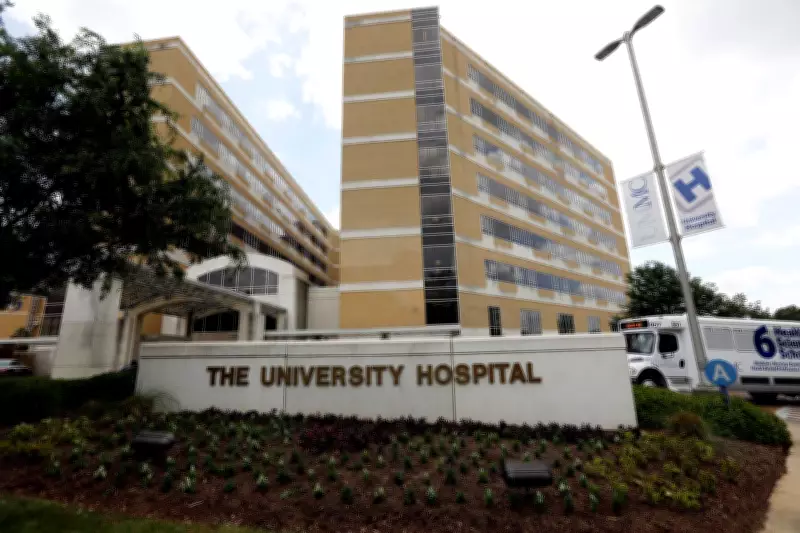
The ransomware attack targeted the University of Mississippi Medical Center in Jackson, Mississippi, forcing the complete closure of all affiliated clinics. This drastic measure was implemented to contain the cyber threat and prevent further damage to patient data and medical systems. Healthcare administrators made the difficult decision to suspend clinical operations indefinitely while cybersecurity experts work to restore secure access to essential systems.
The attack represents one of the most significant healthcare cybersecurity incidents in recent years, demonstrating how vulnerable medical institutions have become to sophisticated digital threats. Patients scheduled for appointments, procedures, and treatments have been left scrambling as the hospital system works to communicate alternative arrangements and reschedule critical care.

Growing Cybersecurity Threats to Healthcare
This incident highlights an alarming trend of increasing cyberattacks targeting healthcare organizations worldwide. Hospitals and medical centers have become prime targets for ransomware groups due to their critical nature and the sensitive patient information they maintain. The healthcare sector's reliance on interconnected digital systems for everything from patient records to medical equipment has created numerous vulnerabilities that malicious actors continue to exploit.
Cybersecurity experts warn that such attacks not only compromise patient privacy but also directly threaten lives when medical services are disrupted. The closure of clinics means delayed diagnoses, postponed treatments, and potential emergencies for patients who rely on regular medical care. This particular attack serves as a stark reminder that healthcare cybersecurity must become a top priority for medical institutions and government regulators alike.
Response and Recovery Efforts
Hospital administrators have mobilized emergency response teams to address the cybersecurity breach while attempting to maintain essential hospital functions. The primary focus remains on:
- Securing patient data and preventing further unauthorized access
- Restoring critical medical systems and infrastructure
- Developing contingency plans for patient care during the disruption
- Coordinating with law enforcement and cybersecurity agencies
While the exact timeline for full recovery remains uncertain, hospital officials have assured the public that emergency services at the main medical center continue to operate, though at reduced capacity. The incident has prompted calls for increased cybersecurity funding and training within the healthcare sector, as well as stronger regulatory frameworks to protect patient care from digital threats.
This ransomware attack serves as a critical wake-up call for healthcare organizations everywhere, emphasizing the need for robust cybersecurity measures that can withstand increasingly sophisticated threats to our most essential medical services.