Hospital's Ginger Ale Removal Sparks Patient Discontent Over Lost Comfort
The elimination of ginger ale from patient menus at The Ottawa Hospital has become an unexpected flashpoint, with numerous patients expressing frustration over what they consider the loss of a small but meaningful comfort during challenging hospital stays. This move, implemented last fall as part of the hospital's broader initiative to offer exclusively "health-promoting" food and beverage options, has generated significant pushback despite its nutritional rationale.
Nutritional Assessment Versus Emotional Comfort
Hospital spokesperson Rebecca Abelson confirmed the decision, stating that ginger ale was removed after an ongoing review determined it offered "limited nutritional value and a high sugar content." Few healthcare professionals would dispute this assessment from a dietary perspective. However, the hospital administration appears to have underestimated the emotional and psychological significance many patients attach to this particular beverage.
"When I woke up from surgery last October and the nurse offered me a ginger ale, it was like an angel had come down directly from heaven to bless me with a sweet treat," wrote one patient on Reddit, capturing the sentiment shared by many. "I had never been closer to crying tears of joy than in that moment."

The Historical and Cultural Context of Ginger Ale
Ginger ale has been a staple in North American hospitals for decades, originating from a time when it was marketed as a medicinal tonic containing real ginger with anti-nausea properties. Canada Dry ginger ale was specifically developed by a Toronto pharmacist in the early 1900s as a lighter alternative to existing syrupy ginger drinks.
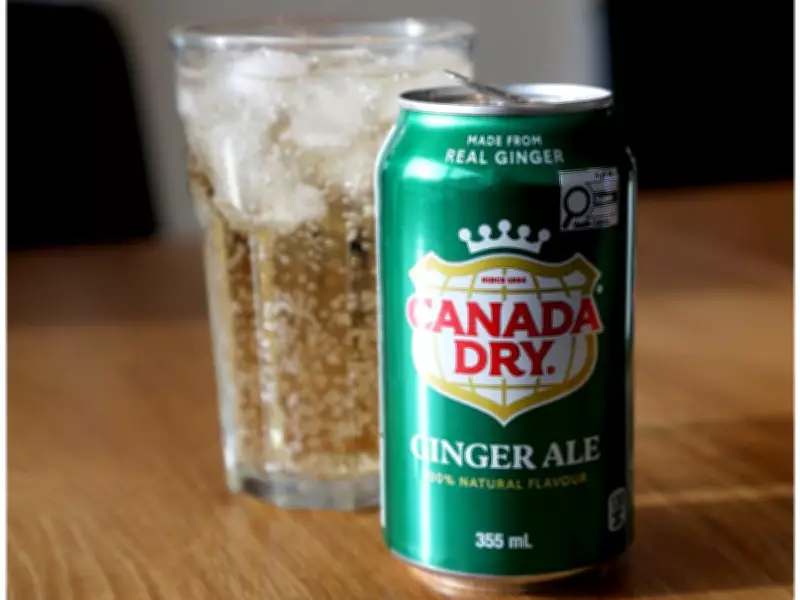
However, modern formulations contain minimal, if any, of the original ginger's therapeutic properties. In 2019, Canada Dry settled a class-action lawsuit in the United States that forced the removal of "Made from Real Ginger" claims from packaging, though this labeling remains in Canada. Despite this evolution, the beverage maintains a powerful cultural association with comfort and care.
Ottawa's Unique Ginger Ale Moment
The timing of the hospital's decision coincides with a notable cultural moment for ginger ale in Ottawa. The beverage plays a significant symbolic role in Heated Rivalry, the popular Canadian novel about a secret romantic relationship between two professional hockey players. In the story, ginger ale serves as the favorite drink of main character Shane Hollander, who hails from Ottawa, functioning as an important plot device that has resonated with local readers.
Broader Implications for Patient Experience
This controversy highlights the complex balance hospitals must strike between nutritional guidelines and patient satisfaction. At a time when healthcare systems face numerous challenges—including emergency department wait times and hallway medicine—many patients view small comforts like ginger ale as playing an outsized role in improving their overall hospital experience.
Some healthcare workers have joined patients in questioning whether the removal represents an overly rigid approach to wellness initiatives. As one neurologist who has studied ginger ale consumption in hospitals noted, there may be legitimate psychological reasons why so many patients insist the beverage makes them feel better during recovery.
The debate continues as The Ottawa Hospital navigates between its commitment to evidence-based nutritional standards and the very real emotional needs of patients seeking comfort during difficult medical experiences.