B.C. Family Battles to Bring Comatose Grandmother Home from Chinese Hospital
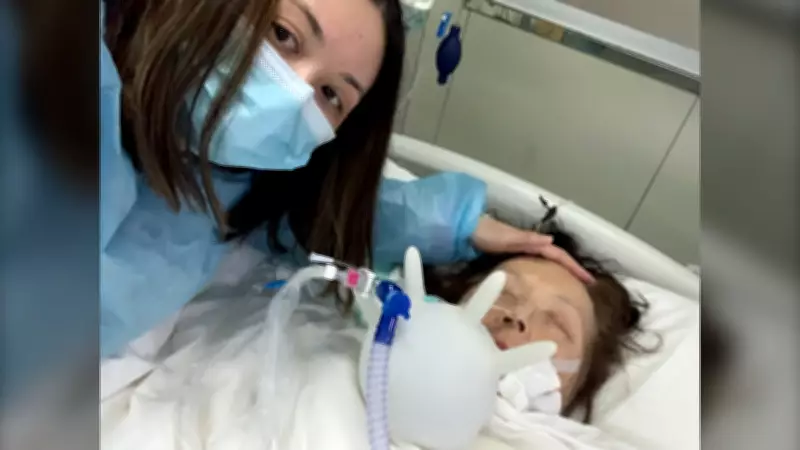
In a heart-wrenching international medical crisis, the family of a British Columbia grandmother is fighting tirelessly to bring her home after she fell into a coma in China. Elena Lanteigne flew to China following her mother Lilia Avoutova's sudden cerebral hemorrhage, which left the elderly woman in critical condition and unresponsive in a hospital far from her Canadian home.
A Sudden Medical Emergency Abroad
The ordeal began when Lilia Avoutova, a grandmother from B.C., suffered a severe cerebral hemorrhage while in China. This type of stroke, caused by bleeding in the brain, often leads to life-threatening complications and requires immediate, specialized care. Avoutova was rushed to a local hospital, where she remains in a coma, with her family grappling with the complexities of navigating a foreign healthcare system during such a dire time.
Elena Lanteigne, her daughter, made the urgent trip to China to be by her mother's side. However, the challenges have been immense, from language barriers and cultural differences in medical practices to logistical hurdles in arranging for her mother's safe transport back to Canada. The family is now embroiled in a race against time, seeking to coordinate with medical professionals, insurance providers, and government agencies to facilitate Avoutova's repatriation.

The Struggle for Repatriation
Repatriating a critically ill patient from another country involves numerous obstacles, including securing medical clearance for travel, arranging specialized air ambulance services, and ensuring continuous care during transit. For the Lanteigne family, these steps are compounded by the urgency of Avoutova's condition and the need for approvals from both Chinese and Canadian authorities.
This case underscores the broader issues faced by families dealing with medical emergencies overseas, where access to familiar healthcare systems and support networks is limited. It also highlights the emotional and financial toll on loved ones, who must advocate for their family member's well-being in an unfamiliar environment.
Broader Implications for International Healthcare
Incidents like this shed light on the importance of travel insurance and preparedness for medical crises abroad. Many Canadians traveling internationally may not fully consider the potential risks or the complexities involved in receiving emergency care in foreign countries. Experts advise that travelers should always have comprehensive health coverage and be aware of local medical resources before embarking on trips, especially to destinations with different healthcare infrastructures.
As the Lanteigne family continues their fight, their story serves as a poignant reminder of the vulnerabilities that can arise when health emergencies strike far from home. The community and authorities are urged to provide support in such situations, emphasizing the need for streamlined processes to assist citizens in distress overseas.
For now, the family remains hopeful that their efforts will soon bring Lilia Avoutova back to B.C., where she can receive the care and comfort of her loved ones during this critical time.