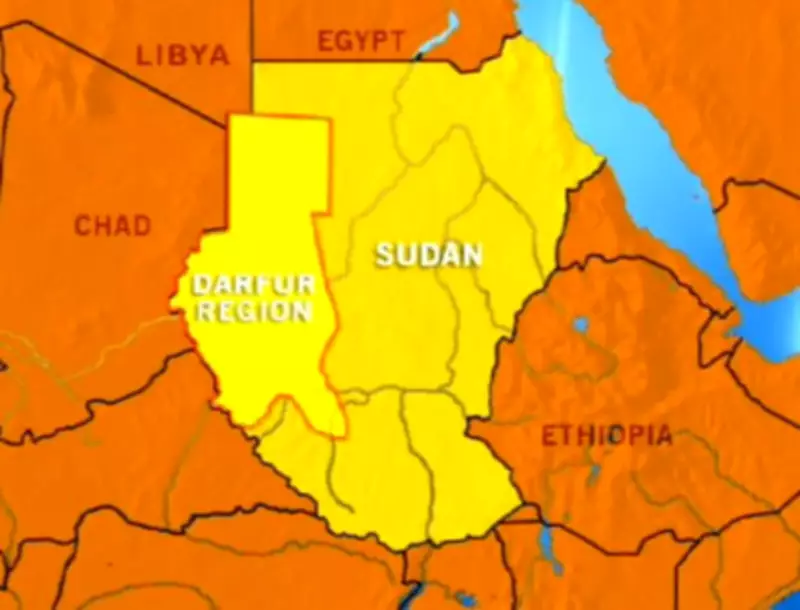
A catastrophic drone attack on a primary medical facility in Sudan's Darfur region has plunged the area into a severe healthcare emergency, with over two million residents now deprived of essential medical services. The strike, which occurred recently, has effectively dismantled the region's largest hospital, creating a dire situation for a population already grappling with prolonged conflict and instability.
Immediate Impact on Healthcare Infrastructure
The targeted hospital was a critical hub for medical treatment in Darfur, providing a wide range of services from emergency care to chronic disease management. Its destruction has not only eliminated a vital resource but has also overwhelmed remaining smaller clinics, which are ill-equipped to handle the surge in patient demand. Medical supplies are rapidly depleting, and healthcare workers report being unable to cope with the influx of injured and sick individuals.
Humanitarian Consequences for Vulnerable Populations
This healthcare collapse disproportionately affects vulnerable groups, including children, the elderly, and those with pre-existing conditions. Many patients requiring ongoing treatments, such as dialysis or chemotherapy, have been left without options, leading to fears of preventable deaths. The lack of proper care is exacerbating malnutrition and infectious disease outbreaks, compounding the humanitarian crisis in a region where access to clean water and sanitation is already limited.

Broader Context of Regional Conflict
The drone strike occurs against a backdrop of escalating violence in Sudan, where clashes between military factions have intensified over recent years. Darfur, in particular, has been a flashpoint for conflict, with historical tensions over resources and governance fueling unrest. This attack on medical infrastructure highlights a troubling trend of civilian facilities becoming targets, raising concerns about violations of international humanitarian law.
Humanitarian organizations are calling for urgent international intervention to restore medical services and protect non-combatants. However, logistical challenges and security risks are hindering relief efforts, leaving many residents stranded without aid. The situation underscores the urgent need for diplomatic solutions to address the root causes of the conflict and ensure the safety of civilians.
Long-Term Implications for Public Health
Beyond the immediate crisis, the destruction of the hospital threatens long-term public health outcomes in Darfur. The loss of medical infrastructure could lead to a resurgence of preventable diseases and a decline in overall community health. Rebuilding such facilities will require significant time and resources, further delaying recovery in a region already struggling with economic hardship and displacement.
As the international community monitors the situation, advocates emphasize that sustainable peace and investment in healthcare systems are essential to prevent future catastrophes. The drone strike serves as a stark reminder of the human cost of conflict and the critical importance of safeguarding medical facilities in war zones.