Cuban Pediatric Heart Center Confronts Severe Challenges Amid Ongoing U.S. Economic Restrictions
The William Soler Pediatric Cardiology Hospital in Havana, a specialized facility dedicated to treating children with heart conditions, is operating under extreme duress due to the decades-long United States economic blockade. Medical staff report facing agonizing decisions regarding patient care, equipment maintenance, and treatment prioritization as critical supplies remain scarce.
Resource Scarcity Forces Difficult Medical Choices
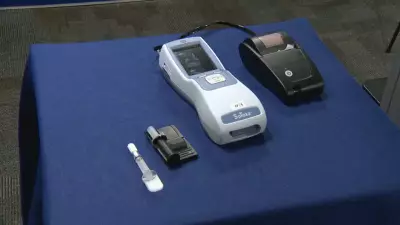
Doctors and administrators at the hospital describe a constant struggle to obtain essential medical equipment, specialized medications, and replacement parts for life-saving machinery. "We often must decide which child receives a particular medication or procedure when we cannot secure enough for all who need it," explained Dr. Elena Marquez, a senior cardiologist with fifteen years at the facility. This scarcity directly impacts surgical schedules, post-operative care, and long-term treatment plans for young patients with congenital and acquired heart diseases.
The blockade, officially imposed in 1962 and tightened over subsequent decades, restricts Cuba's access to international financial systems and trade with U.S. companies and their foreign subsidiaries. While exemptions exist for humanitarian items, hospital officials state that licensing procedures, banking restrictions, and shipping complications create formidable barriers. "Even when donations are arranged, the logistics and costs become prohibitive," noted hospital administrator Carlos Fernandez.

Humanitarian Efforts Provide Temporary Relief
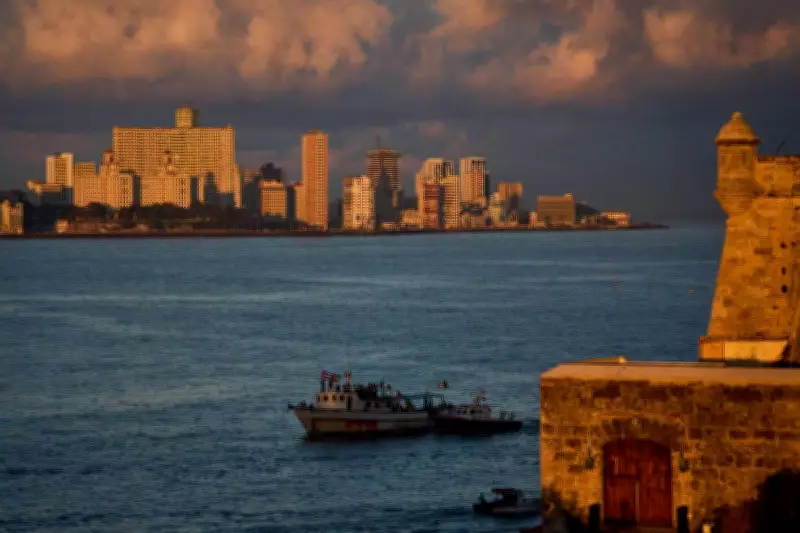
International solidarity movements continue to organize aid convoys to bypass some restrictions. Recently, the vessel Maguro arrived in Havana Bay as part of the "Nuestra America" (Our America) Convoy from Mexico, carrying humanitarian supplies. Activists on board waved Cuban and Palestinian flags, highlighting parallel struggles. Such deliveries provide temporary relief, bringing medications, surgical materials, and basic medical consumables. However, hospital staff emphasize that these are stopgap measures that cannot substitute for reliable, unrestricted access to global markets and medical technology.
The hospital's predicament reflects broader systemic issues within Cuba's healthcare system, which, despite achieving notable public health indicators, grapples with chronic shortages exacerbated by the embargo. Pediatric cardiac care requires highly specialized, often expensive technology and drugs that are particularly difficult to source under current constraints.
Impact on Patients and Medical Training
Families of patients express profound anxiety over treatment delays and uncertain prognoses. "We live day by day, hoping the medicine our son needs will arrive in time," said Maria Lopez, mother of a seven-year-old awaiting surgery. The situation also affects medical education and innovation, as professionals have limited opportunities for international collaboration, access to recent medical literature, or training on the latest equipment.
Cuban health authorities maintain that the blockade violates international law and the human right to health. They cite repeated United Nations General Assembly votes condemning the embargo, with overwhelming global support for its lifting. The William Soler hospital's struggles underscore the human cost of this prolonged economic pressure, particularly on vulnerable pediatric populations requiring complex, sustained medical intervention.