A family in Saskatchewan is expressing anger and frustration after a crucial piece of medical equipment, the province's only PET/CT scanner, was disrupted at Saskatoon's Royal University Hospital. The incident, which occurred recently, has been labeled as "irresponsible" by those directly impacted, highlighting the fragility of access to essential cancer diagnostics.
The Heart of the Matter: A Vital Scanner Offline
The scanner in question is a PET/CT machine, a sophisticated imaging device critical for diagnosing, staging, and monitoring various cancers. Saskatchewan has just one such scanner serving its entire population, and it is housed at the Royal University Hospital (RUH) in Saskatoon. The specific nature of the disruption was not detailed in initial reports, but any interruption to its service creates immediate backlogs and delays for patients across the province.
For individuals awaiting scans to determine the extent of their disease or the effectiveness of their treatment, such delays are more than an inconvenience. They represent a period of agonizing uncertainty and can potentially impact treatment timelines and outcomes. The family affected by this particular disruption has voiced their distress publicly, underscoring the human cost of such operational failures.

Context and Growing Concerns
This incident did not occur in a vacuum. It comes amidst broader public discussions and questions about the state of healthcare services in Saskatchewan. The reliance on a single unit for such advanced diagnostics makes the system vulnerable to technical issues, maintenance schedules, or unforeseen events.
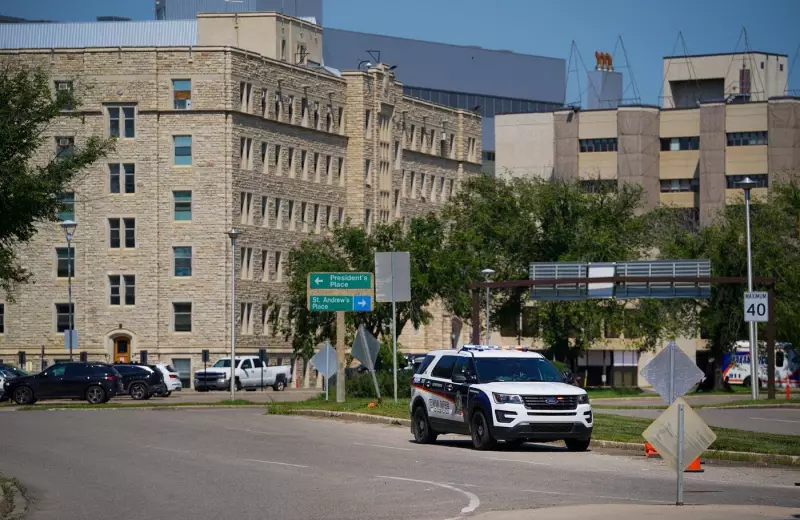
The report of this disruption was published by The Canadian Press on the morning of January 7, 2026. While the exact date of the scanner's disruption was not specified, the publication date indicates it is a current and pressing issue. The story was accompanied by a file photo of a police vehicle outside RUH from July 17, 2024, though the connection between that image and the scanner event is not explicitly stated.
Broader Implications for Patient Care
The fallout from this event extends beyond one family's experience. It raises significant questions about redundancy and contingency planning within Saskatchewan's healthcare infrastructure. When a province of over one million people depends on one machine for a critical service, any disruption has a cascading effect.
Medical professionals and hospital administrators now face the challenge of managing a growing waitlist caused by the downtime. Patients may face difficult choices, such as traveling out of province for timely scans—a costly and burdensome alternative—or facing anxious waits. This incident serves as a stark reminder of the importance of reliable medical technology and the need for robust systems to support it.
As the situation develops, the focus will likely turn to how the Saskatchewan Health Authority responds, what measures are being taken to prevent future disruptions, and how the backlog of patients will be cleared efficiently and compassionately.