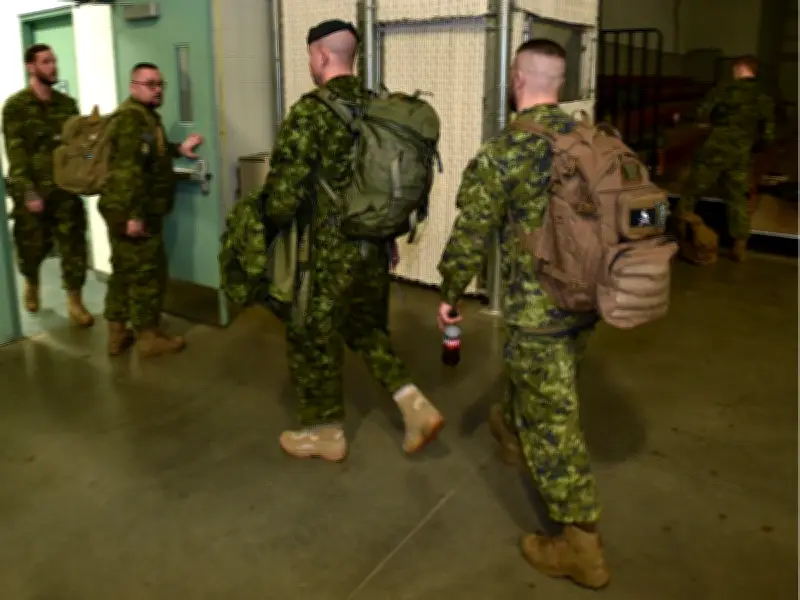
Systemic unfairness and challenges getting primary care are dogging Canada’s veterans, according to a new report from Veterans Ombud Col. (ret’d) Nishika Jardine. In Edmonton this month to meet with area veterans, Jardine outlined the 2025-2026 Annual Report of the Office of the Veterans Ombud, recently tabled in the House of Commons.
Primary care crisis
“The lack of access to primary health care is probably the most acute issue facing veterans today,” Jardine told Postmedia. As many as 80,000 of Canada’s 400,000 veterans are unable to find a primary care physician. That mirrors a broader Alberta problem—one in five Albertans lack a family doctor—but for veterans the stakes are higher.
Primary care doctors serve as the gateway to promised benefits for Canadians who were severed from provincial health plans when they joined the military and must re-enter public systems upon release. “Without a diagnosis, they cannot complete that disability claim, which is a significant gateway to accessing VAC benefits for injuries or illness related to service,” Jardine said.

Telemedicine gap
Veterans Affairs Canada (VAC) made a giant leap by providing all new Canadian Forces veterans and their families access to two years of paid telemedicine service, but many existing veterans lost their family doctor when they left the service and are completely stuck. Jardine is advocating the telemedicine service be extended to all veterans unable to get a family doctor. “Government must not forget these veterans,” Jardine said.
Jardine served 37 years in the Royal Canadian Electrical Mechanical Engineers, including service in Afghanistan, before retiring as a colonel in 2019. She heard from a veteran with severe PTSD from Afghanistan whose psychiatrist recommended a prescription that could only be prescribed if a primary care physician monitored it regularly. “A veteran was prevented from being able to get a prescription that he desperately needed because he didn’t have access to the provincial primary health care system to do that,” she said.
Paperwork barriers
Jardine has also received reports of doctors refusing to do “onerous” paperwork, or even “firing” patients out of their practice because VAC paperwork was a burden. While the majority of veterans are very happy with Veterans Affairs and their benefits, others have experienced an erosion of trust from blunt bureaucracy-speak or convoluted internet wrangling. “They do great things for veterans… I have seen them bend over backwards for veterans and their families,” said Jardine, calling for “veteran-centric” communications.