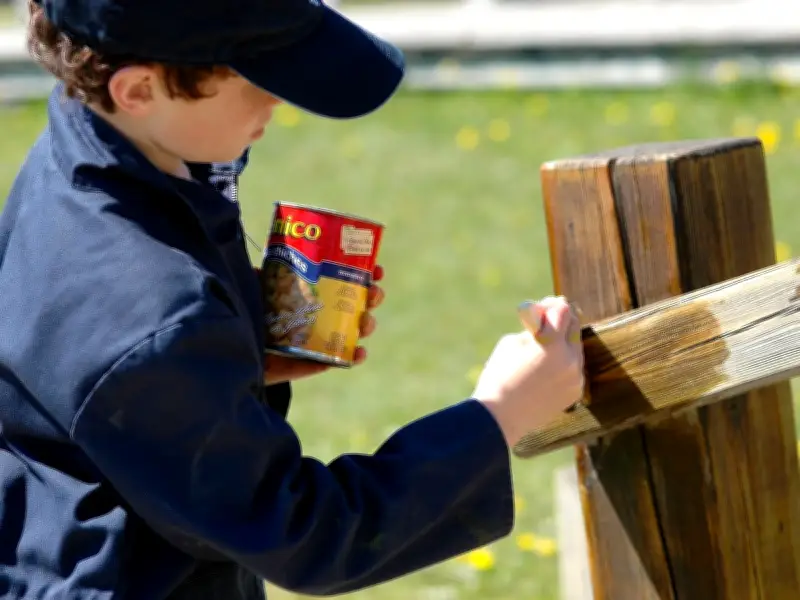
Outdoor wood finishes often fail prematurely because of moisture, wood movement, and inadequate surface preparation, according to home improvement expert Steve Maxwell. He recommends choosing finishes that fail gracefully, such as penetrating oils, which allow easy renewal with a brush, rag, and a bit of time.
The Problem with Exterior Wood Protection
Exterior wood is inherently difficult to protect. It expands and contracts with changes in moisture, absorbs rain, dries in the sun, freezes in winter, and bakes in summer. No outdoor finish lives an easy life, Maxwell notes. One overlooked issue is wood absorbency. New lumber often looks ready for finishing, but planing at the sawmill leaves a burnished surface that is too smooth to absorb finishes properly.
Sanding for Absorbency, Not Smoothness
Sanding is crucial, but not to a super-fine level. For decks, outdoor furniture, benches, and most exterior wood, an 80-grit abrasive in a six-inch random orbit sander is ideal. It removes the burnished surface and leaves the wood open enough to absorb finish and hold it.

Moisture: The Spring Finishing Trap
Moisture content also matters. Wood that is too wet won't hold a finish properly, even if the surface looks dry. Spring can be especially tricky in Canada because wood may still be carrying moisture from snow, rain, and damp weather. Maxwell recommends using a cheap moisture meter to identify the ideal 12 to 14 percent moisture content, but patience is also key. Rushing a finish onto damp wood is one of the most reliable ways to disappointment.
Film-Forming vs. Non-Film-Forming Finishes
There is an important difference between film-forming and non-film-forming finishes. Paints, solid stains, and varnish-like coatings form a layer on top of the wood. These finishes can look excellent and offer strong colour, but they eventually crack, blister, or peel when water gets underneath or when wood movement breaks the surface bond. Maxwell emphasizes that no matter how good your prep is, peeling inevitably happens with film-forming finishes outdoors.
Choose Finishes That Fail Gracefully
Peeling matters most on intricate items such as outdoor benches, railings, lattice, chairs, and complicated deck structures. Once peeling begins on detailed woodwork, removal and refinishing are necessary but miserable. That's why non-film-forming finishes deserve more attention. Exterior penetrating oils do not sit on top of the wood; they soak in, enrich the surface, and wear away gradually rather than peeling. The downside is that most exterior oil finishes need reapplication about once a year, but the upside is big: a quick cleaning and another coat is much easier than scraping and sanding peeling paint.
Maxwell illustrates the point with a personal story: he built an oak mailbox for his suburban home as a teenager and finished it with clear satin polyurethane. The mailbox looked good enough that strangers asked him to build one for them, but within a year, the hand-rubbed finish had peeled and failed badly. He now knows better and recommends oils as one of the unsung heroes of outdoor wood finishing.