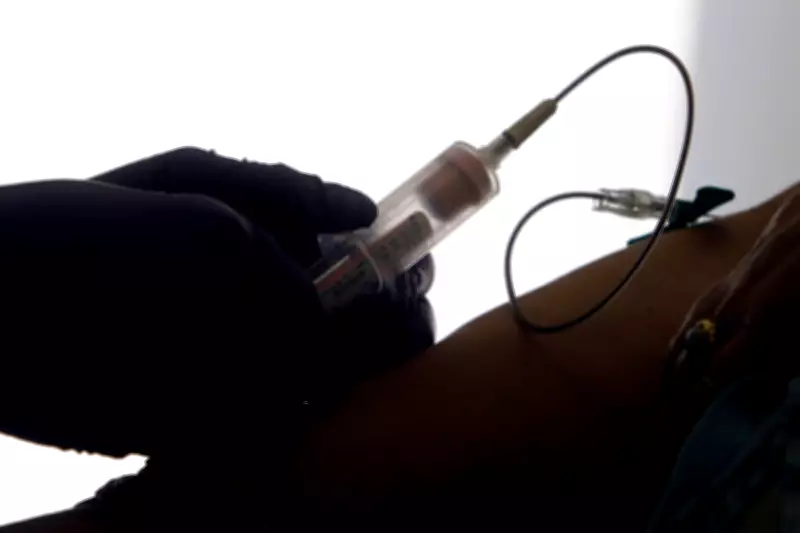
A groundbreaking study has revealed that routine blood tests may be able to detect the hidden physical toll of post-traumatic stress disorder (PTSD). Researchers found that certain biomarkers in the blood could indicate the physiological changes associated with PTSD, potentially allowing for earlier diagnosis and treatment.
Study Highlights
The study, published in a leading medical journal, analyzed blood samples from individuals with PTSD and compared them to those without the condition. Key findings include elevated levels of inflammatory markers and stress hormones in PTSD patients, which are linked to long-term health risks such as cardiovascular disease and diabetes.
Implications for Diagnosis
Currently, PTSD is diagnosed primarily through psychological assessments. The addition of blood-based biomarkers could provide a more objective measure, helping clinicians identify patients who might otherwise go undiagnosed. This is particularly important for veterans, first responders, and others exposed to trauma.

Future Research
While the results are promising, researchers caution that further studies are needed to validate these biomarkers and develop standardized tests. The ultimate goal is to integrate blood tests into routine check-ups for at-risk populations, enabling proactive management of both mental and physical health.
This advancement could revolutionize how PTSD is understood and treated, emphasizing the interconnectedness of mental and physical well-being.