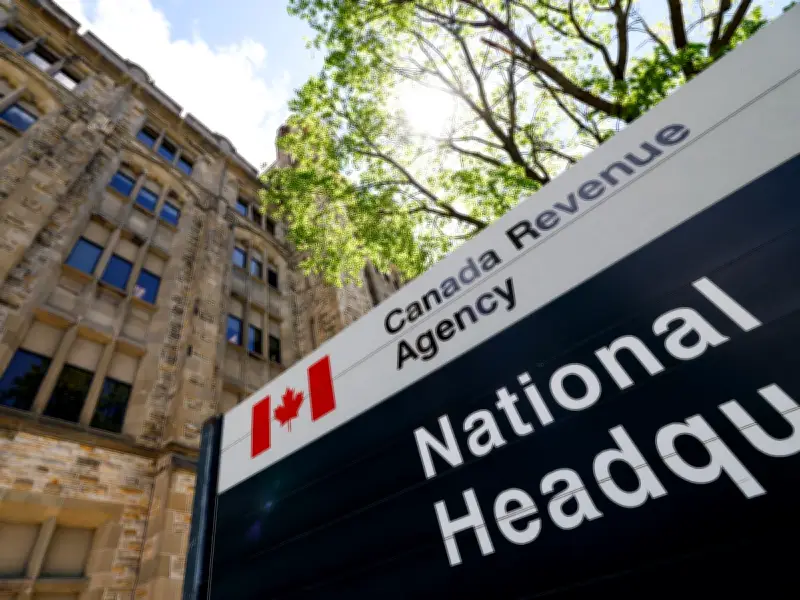
The Canada Revenue Agency continues to impose harsh penalties on taxpayers who fail to report foreign property on Form T1135, the Foreign Income Verification Statement. A June 2026 federal court decision highlights the case of a couple who immigrated to Canada and were penalized for late filing of their T1135 forms for 2018 and 2019.
Background on Foreign Reporting Rules
Taxpayers who own specified foreign property with a total cost exceeding $100,000 at any time in the year must file Form T1135. Foreign property includes assets such as a Florida bank account or shares of U.S. corporations like Apple Inc. or Nvidia Corp. held in non-registered accounts. Personal-use property, such as an Arizona condo, and assets in registered accounts like RRSPs or TFSAs are excluded.
Failure to file on time results in a penalty of $25 per day, up to a maximum of $2,500, plus arrears interest. If the failure is deemed knowing or grossly negligent, the penalty rises to $500 per month, up to $12,000. After 24 months, the penalty becomes 5% of the cost of the foreign property, minus any prior penalties.

Details of the Case
The couple immigrated to Canada in October 2018 and returned to India the following month, staying until May 2019. After returning, they filed their Canadian tax returns but neglected to file T1135 forms for 2018 and 2019. They later realized the oversight and voluntarily filed the missing T1135s in April 2022.
According to the court decision, the couple had been resident in Canada a decade earlier, so the exemption for the year of immigration did not apply. On June 1, 2022, the CRA issued Notices of Reassessment, charging each taxpayer a $2,500 penalty per late filing—totaling $5,000 per year—plus arrears interest.
The taxpayers challenged the penalties, first requesting relief from the CRA, then taking the matter to federal court. The court reviewed whether the CRA officer's decision to deny relief was reasonable. The outcome underscored the strict application of T1135 penalties, even for voluntary disclosures.
Impact on New Immigrants
This case serves as a cautionary tale for newcomers. The CRA expects timely compliance with foreign asset reporting, regardless of residency status. Penalties can accumulate quickly, and voluntary disclosure does not guarantee relief. Taxpayers should seek professional advice to ensure they meet filing obligations from their first year of residence.