Pilates, once a rehabilitative practice founded by German trainer Joseph Pilates in the early 20th century, has long been perceived as exclusive and racially homogenous. But a growing movement of Black and brown instructors is actively dismantling that image, creating spaces where participants feel seen, heard, and welcome.
Instructors of Color Redefine the Pilates Experience
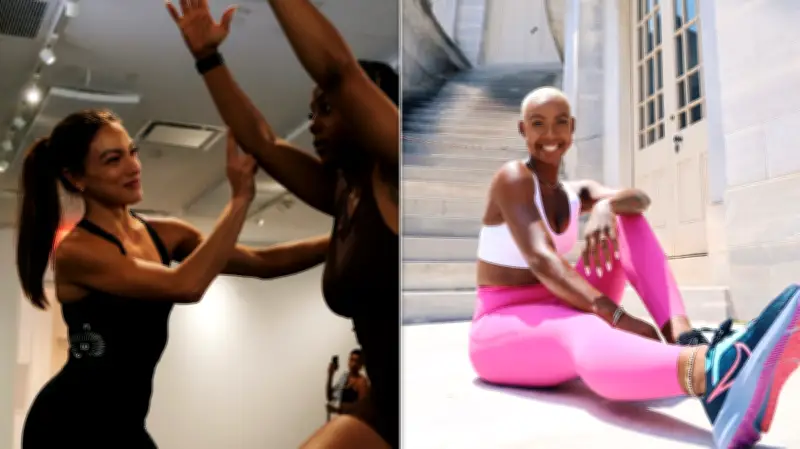
Cleristina Chan, a Southern California-based Pilates teacher, intentionally curates playlists featuring Bad Bunny, Lil Wayne, and other Black and Latino artists. “Music is part of creating a safe space. It’s welcoming because it feels like home,” Chan says. She explains that the choice of music signals inclusivity and helps participants feel comfortable. “I try to create an experience that I didn’t always receive, or have seen other people not receive.”
Philadelphia-based instructor Zhane Dodson, known as Coach Zha, echoes that sentiment. “I know what it feels like to walk into wellness spaces and wonder if you belong,” she says. “Because of that, I’ve always been intentional about creating environments where we don’t have to code-switch, prove ourselves or earn our place. We can just show up exactly as we are.” Dodson teaches at studios like Solidcore and Lumos, but also co-facilitates workshops and day parties blending Pilates, yoga, and dance.

Historical Roots and Modern Barriers
Despite Pilates’ origins with Joseph Pilates, a lesser-known fact is that Black American dancer Kathleen Grant studied under Pilates and helped spread the practice widely. However, over decades, the practice became associated with whiteness and exclusivity, driven by expensive equipment and marketing that targeted a specific body type. One Reddit user noted that Pilates is “marketed with a certain body type that is more aspirational for Asian/White women.”
Classes at studios where Chan and Dodson teach typically cost $30 to $35 per session, a standard rate that still poses financial barriers for many. Some studios offer free or discounted community classes, but instructors of color often struggle to balance affordability with making a living. “One of the biggest lessons my community has taught me is that people aren’t just looking for a workout,” Dodson says. “They’re looking for somewhere they feel safe. They’re looking for belonging.”
Community and Self-Preservation
Dodson’s events attract participants like Dymon Pendleton, a Philadelphia content creator, who says, “Hearing similar music that I listen to, and seeing people that look like me feels so welcoming. Everyone is cheering each other on. I like it; this is my culture. It feels kind of like the cookout or something.” For Black and brown communities, Dodson emphasizes that “wellness is an act of self-preservation. Taking care of ourselves isn’t selfish, and it isn’t a luxury.”
Some students tell Dodson that her class is the only hour of the day they get to focus on themselves. The instructors prioritize workouts that are effective and sustainable, rejecting an all-or-nothing mentality. “The practice is designed to be inclusive in terms of physical capabilities,” Chan says. “It’s a therapeutic approach, a corrective exercise or physical-therapy-style approach where all bodies should be able to participate. But it might not always be delivered in this way.”
A Call for a Pilates Rebrand
Both Chan and Dodson have reshaped their teaching around what Black and brown women need: stimulating exercise and mental benefits that help them feel strong and peaceful. “That’s what’s beautiful about the human connection of this work,” Chan says. “We just want to be seen and heard. It’s as simple as that. Fundamentally, this is all we want and need in life.” As Pilates evolves, these instructors are leading a rebrand that centers inclusivity, accessibility, and genuine community.