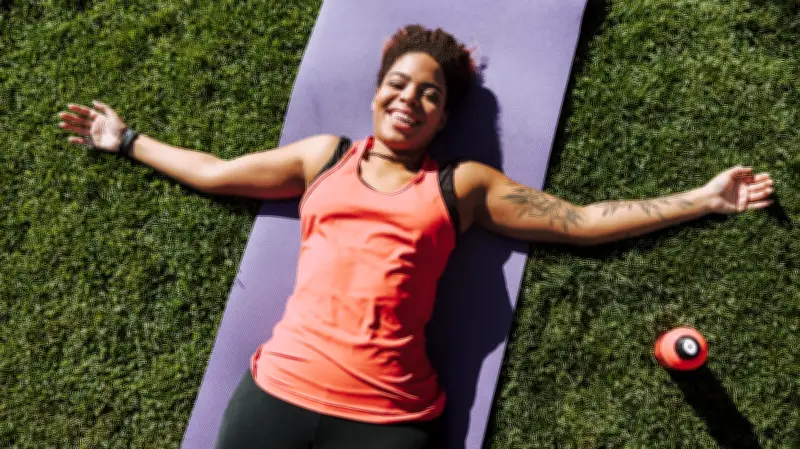
There are plenty of reasons why exercising regularly makes you feel good, regardless of the time of day. However, if your schedule allows flexibility, experts suggest that working out in the morning can have positive and lasting effects on your entire day.
In addition to being a great release for tension, celebrity fitness expert Ridge Davis notes that exercise helps build endurance and the ability to handle stress. The less stress you have, the more energy you have for your day.
Why Morning Workouts Matter
Feeling mentally and physically exhausted is not ideal, so getting moving early makes sense. Magdalena Cadet, a board-certified rheumatologist at NYU Langone, explains that being active has a profound impact on mental health by boosting mental clarity and judgment. Exercise helps the body produce endorphins, which stimulate parts of the brain, distract from anxiety, and build confidence.

Beyond boosting energy and reducing stress, morning exercise benefits internal and external functions like metabolism. Consistent morning workouts can also enhance sleep habits. Cadet notes that studies suggest early morning workouts may shift the body clock, leading to improved sleep quality. Research shows that exercising at 7 a.m. may be the most optimal time.
Expert-Recommended Morning Exercises
Committing to a morning workout routine is an accomplishment. The best way to work out is to do something you enjoy. Fitness should not feel like punishment but a celebration of movement. Here are specific moves to maximize morning fitness benefits.
Full-Body Warm-Up
Before starting any morning exercises, certified personal trainer Lisa Mateo recommends a quick full-body warm-up. Stretch your quads, hamstrings, hips, shoulders, and triceps, along with cardio moves like jumping jacks or high-knee runs to get the heart rate going.
Tree Pose for Balance and Stability
According to Peloton yoga instructor Kristin McGee, Tree Pose (Vrikshasana) is perfect for morning exercise. It promotes balance and stability in the legs and core while helping to focus the mind. To execute, stand tall with your back straight, shoulders relaxed, and feet together. Shift weight to your right foot, lift your left foot, and place it on your right thigh. Arms can be in prayer position or raised overhead. Hold for five to ten breaths, then repeat on the opposite side. Use a wall for support if needed.
Downward-Facing Dog for Full Body Activation
McGee recommends Downward-Facing Dog for stretching and strengthening the entire body. It gets blood flowing to the brain, aiding wakefulness. Start on all fours with wrists under shoulders. On an exhale, push hips up and straighten legs. Engage core, legs, and arms, keeping kneecaps lifted. Pedal legs to loosen tightness.
Dead Bug for Core Stability
Ridge Davis loves the Dead Bug for core stability, strengthening core muscles, and preventing lower back injury. Lie on your back with knees bent and feet flat. Lift hands with elbows above shoulders. Exhale, raise legs with knees over hips, then slowly lower right arm and left leg just above the floor. Inhale back to start and repeat on the opposite side. Beginners aim for two to three sets of five reps per side.
Squats for Mobility
Magdalena Cadet favors squats for improving mobility and working ligaments and connective tissue. Start with knees bent, feet flat, hips and ankles facing outward. Keep knees behind toes and legs shoulder-width apart. With chest up and thighs parallel to the floor, tighten abs and push butt backward. Hold for five seconds, aiming for 10 to 15 reps. Advance by extending arms, adding light weights, or sitting deeper.