Medical professionals are sounding the alarm over a significant increase in Achilles tendon injuries, a trend affecting everyone from elite athletes to weekend warriors. This painful and often debilitating condition is becoming more common, prompting experts to analyze the root causes and urge the public to take preventive measures.
Why Are Achilles Injuries Becoming More Frequent?
According to specialists, several converging factors are driving the uptick in cases. A primary culprit is the "boom-and-bust" cycle of activity, where individuals who are relatively sedentary during the week engage in intense, sudden bursts of exercise on weekends without proper conditioning. This pattern places extreme stress on the tendon, which is not prepared for the load.
Furthermore, the popularity of sports and fitness activities that involve explosive jumping, quick pivots, and sprinting—such as basketball, tennis, and high-intensity interval training (HIIT)—contributes significantly. The tendon, which connects the calf muscles to the heel bone, absorbs tremendous force during these movements.

Experts also point to inadequate recovery time and ignoring early warning signs like stiffness or mild pain. "People often push through discomfort, mistaking it for normal workout soreness, which can allow a minor strain to develop into a full tear," one sports medicine physician explained.
High-Profile Cases Highlight the Risk
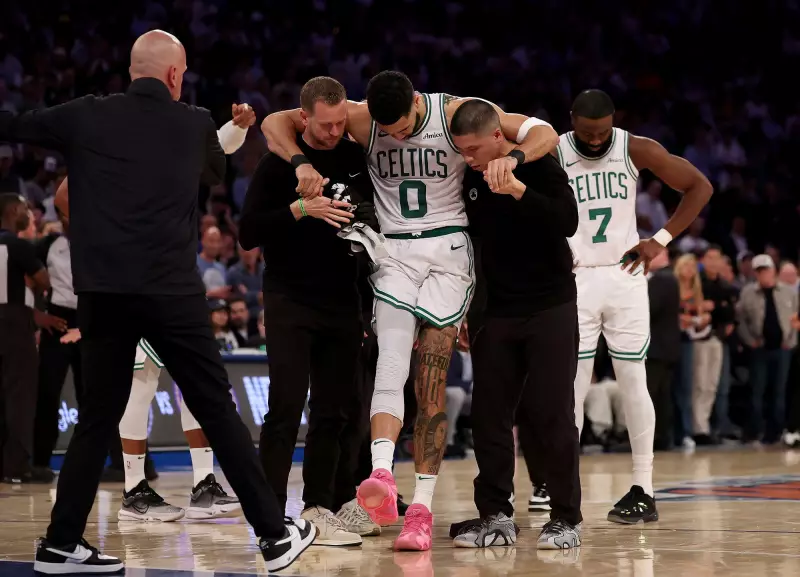
The issue has been thrust into the spotlight by injuries to prominent athletes. Boston Celtics star forward Jayson Tatum was notably sidelined by an Achilles issue during the NBA playoffs in May 2025, a moment captured as he was assisted off the court. His case, while managed by top-tier medical staff, underscores that even the most conditioned individuals are not immune.
This visibility at the professional level is crucial, as it illustrates the severity of the injury and the lengthy rehabilitation required. A complete Achilles tear can sideline an athlete for six months to a year, and recovery is often a challenging process for anyone.
Protecting Your Achilles: Expert Recommendations
Prevention is paramount. Medical advisors offer clear guidance for reducing risk. First, they emphasize the importance of a gradual and consistent training regimen, avoiding sudden spikes in activity intensity or duration. Incorporating dedicated calf-strengthening exercises and ensuring overall lower-body flexibility are also critical defensive strategies.
Proper footwear that provides adequate support for your chosen activity is non-negotiable. Perhaps most importantly, listening to your body is essential. Persistent pain, tenderness, or stiffness in the back of the ankle or lower calf is a signal to rest and seek evaluation, not to push harder.
As fitness culture continues to evolve, understanding and respecting the limits of connective tissues like the Achilles tendon is a key component of sustainable, long-term health and athletic performance. The rising injury count serves as a stark reminder that foundational strength and mindful progression cannot be overlooked.