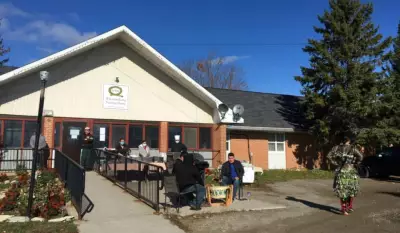
A Toronto clinic is offering specialized care for cancer survivors struggling with a symptom that many say is often ignored: cancer-related fatigue. More than 90% of people living with or after cancer experience this debilitating condition, yet it remains underdiagnosed and undertreated.
Understanding cancer-related fatigue
Cancer-related fatigue is not ordinary tiredness. It is a persistent, overwhelming sense of exhaustion that can interfere with daily activities and quality of life. Unlike fatigue from lack of sleep or overexertion, it does not improve with rest. The symptom can last for months or even years after treatment ends.
The clinic's approach
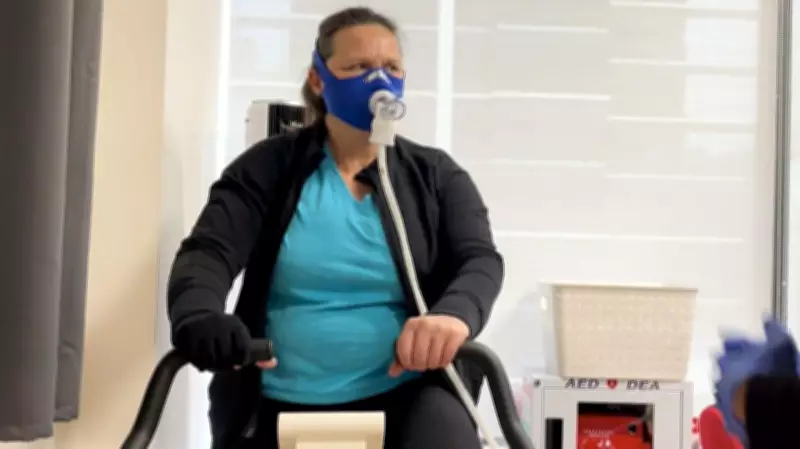
The clinic combines medical evaluation, physical therapy, nutritional counseling, and psychological support to address the multifaceted nature of fatigue. Patients undergo assessments to rule out other causes such as anemia, thyroid dysfunction, or depression. Personalized plans may include exercise programs, energy conservation techniques, and cognitive behavioral therapy.

Dr. Sarah Mitchell, the clinic's director, emphasizes that fatigue is often dismissed as an inevitable part of cancer treatment. 'Patients are told to just rest or push through it, but that's not effective,' she says. 'We need to validate their experience and provide evidence-based interventions.'
Impact on survivors
Cancer-related fatigue can affect work, relationships, and mental health. Many survivors report feeling misunderstood or isolated. The clinic aims to create a supportive community where patients can share strategies and encouragement.
One patient, John, 58, a lymphoma survivor, described his fatigue as 'hitting a wall' every afternoon. After joining the clinic's program, he learned to pace himself and incorporate gentle exercise. 'I still have bad days, but now I have tools to manage them,' he says.
Broader implications
Advocates hope that specialized clinics like this will become more common. With cancer survival rates improving, addressing long-term side effects is crucial. The clinic also trains healthcare providers to recognize and treat fatigue, aiming to integrate this care into standard oncology practice.
As research continues, new treatments such as medications targeting inflammatory pathways or mitochondrial dysfunction may offer additional relief. Until then, comprehensive, patient-centered care remains the cornerstone of managing cancer-related fatigue.